Microscopic World


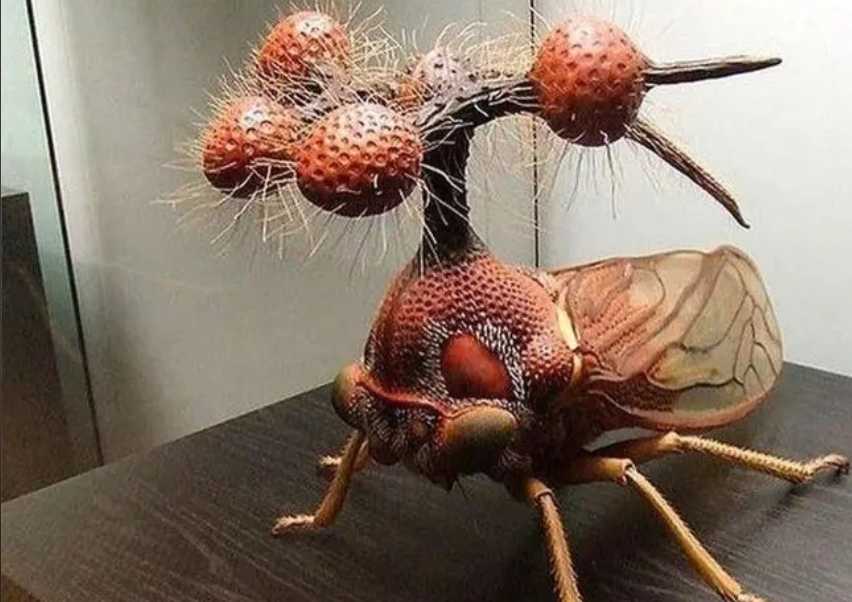

The Cameroon Armored Tree Cricket: Nature’s Golden Warrior Insect
In the dense forests of Cameroon, an insect emerges that resembles a tiny ant clad in golden armor: the Cameroon armored tree cricket (Acanthoplus discoidalis). This remarkable orthopteran, part of the family Tettigoniidae, showcases a striking exoskeleton of iridescent gold and bronze, combined with spiky projections that give it the appearance of a miniature warrior ready for battle.

Earwigs: The Insects with a Pincher-Tipped Surprise
Often mistaken for other bugs, earwigs (order Dermaptera) stand out with a unique anatomical mix: a slender, rove beetle–like upper body that transitions to a pair of prominent forceps-like pincers at the abdomen’s tip. This distinctive design has fascinated and confused observers for centuries, blending subtlety with a bold defensive feature.

The Wasp Mantisfly: A Hybrid Predator That's Neither Mantis Nor Wasp
In the tropical and subtropical regions of the world, the wasp mantisfly (Climaciella brunnea) perplexes observers with its split identity: the front half resembles a praying mantis, while the rear mimics a wasp. This insect, part of the family Mantispidae, is a master of evolutionary mimicry, blending features of two fearsome species to create a creature that defies easy classification.

Strange - looking Indian Purple Frog with a 'Cherry - like Mouth'
The Indian purple frog, a unique amphibian, has recently attracted attention. With its distinctive appearance, it stands out among other frog species. It has a plump, purple - colored body and a small, pointed mouth that resembles a cherry, which gives it a rather endearing look.

The Fire Snail: A Vividly Colored Giant Endemic to the Malay Peninsula
Native to the rainforests of the Malay Peninsula, the fire snail (Scalyfoot snail, Chrysomallon squamiferum) astonishes with its striking hue and imposing size, standing out as one of nature’s most vibrant gastropods. Unlike ordinary snails, this endemic species boasts a shell dyed in intense shades of scarlet, orange, and deep burgundy, resembling a smoldering ember—a coloration that has captivated biologists and nature enthusiasts alike.

The Bizarre Hallucigenia: Once Earth’s Most Abundant Animal
The Hallucigenia, an enigmatic creature from the Cambrian period, remains one of paleontology’s strangest mysteries. With a tubular body adorned by spines and paired appendages, this worm-like animal once thrived in ancient seas, dominating ecosystems as one of Earth’s most populous species—only to vanish millions of years ago, leaving behind fossil clues that perplex scientists.
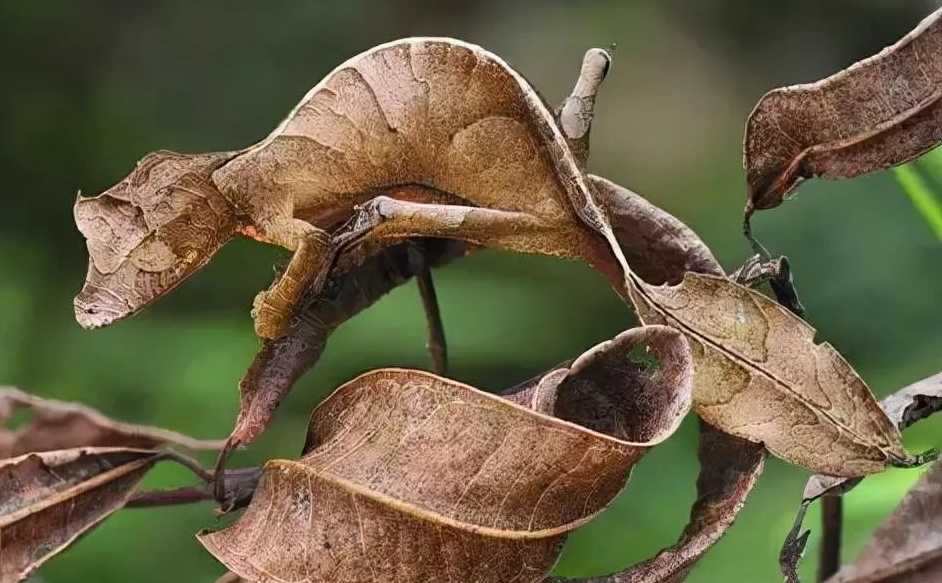
The Satanic Leaf-Tailed Gecko: A Master of Camouflage Named for Its Dead-Leaf Tail
Native to the rainforests of Madagascar, the Satanic leaf-tailed gecko (Uroplatus phantasticus) earns its dramatic name from a tail that perfectly mimics a decaying leaf—ripped edges, veins, and even brownish "spots" that blend seamlessly with forest litter. This nocturnal reptile, one of the most iconic examples of evolutionary camouflage, has captivated herpetologists and nature enthusiasts with its otherworldly appearance and cryptic lifestyle.
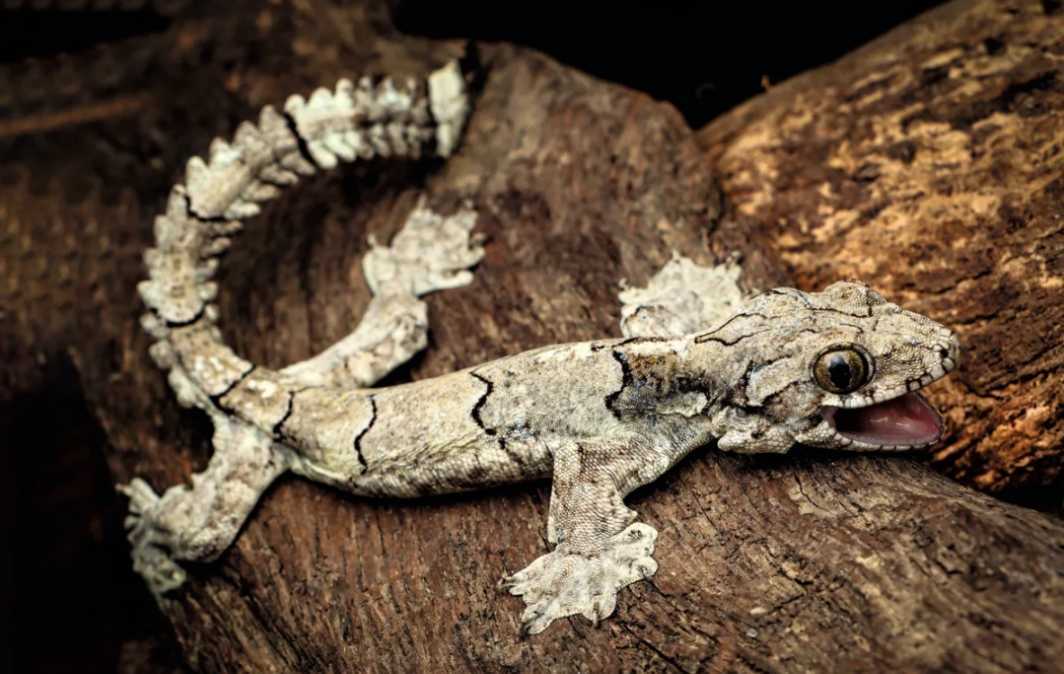
The Galamaso Gecko: Nature’s Elusive Tree-Dweller with Spectacular Dermal Flaps
The Galamaso gecko, a nocturnal arboreal lizard, captivates herpetologists with its most distinctive feature: large dermal flaps encircling the head, trunk, limbs, and tail. Native to the dense rainforests of Southeast Asia, this elusive reptile has evolved remarkable adaptations to thrive in its canopy habitat, using its fringed appendages for both camouflage and survival in the forest’s vertical world.

The Glasswing Butterfly: Nature’s Transparent Wonder Hunted for Its Elusive Beauty
Scientifically named Greta oto, the glasswing butterfly belongs to the family Nymphalidae, subfamily Danainae, tribe Ithomiini, and subtribe Gretae. Renowned for its ethereal, translucent wings, this Central and South American species has evolved a survival strategy that paradoxically draws human attention—turning its natural defense against predators into a curse.
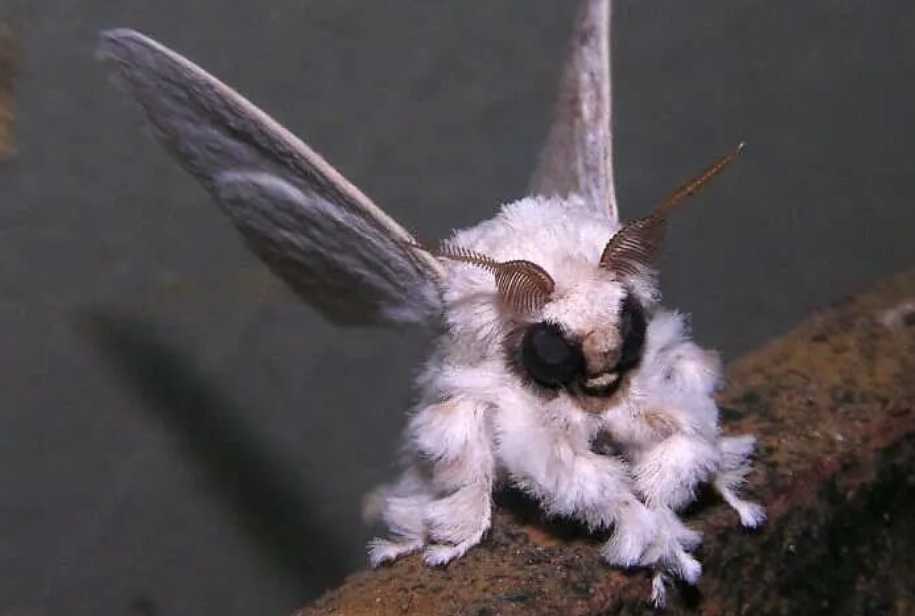
Mysterious 'Poodle Moth' Captivates Scientists After 2009 Venezuelan Discovery
A bizarre moth with a fluffy, poodle-like appearance has perplexed entomologists since its 2009 discovery in Venezuela’s Gran Sabana region. Named the Venezuelan poodle moth (Artace sp.), the species remains taxonomically unresolved due to limited specimens and conflicting theories about its evolutionary origins. Its dense, cottony fur and large, reflective eyes have sparked viral fascination, yet its behavior, habitat requirements, and ecological role remain shrouded in mystery .
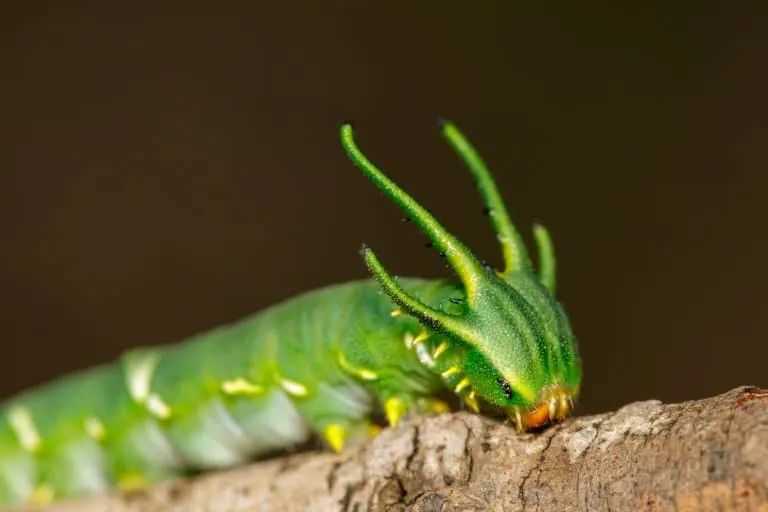
The Dragon Head Caterpillar: Nature’s Dramatic Mimic with a Widespread Surprise
Renowned for its horned "head capsule"—a specialized thoracic segment that resembles a dragon’s face—the dragon head caterpillar may look otherworldly, but it thrives across North America and Eurasia. Belonging to the sphinx moth family (Sphingidae), this larva uses its striking appearance as a masterclass in predator deterrence, proving that dramatic adaptations often evolve in common species.
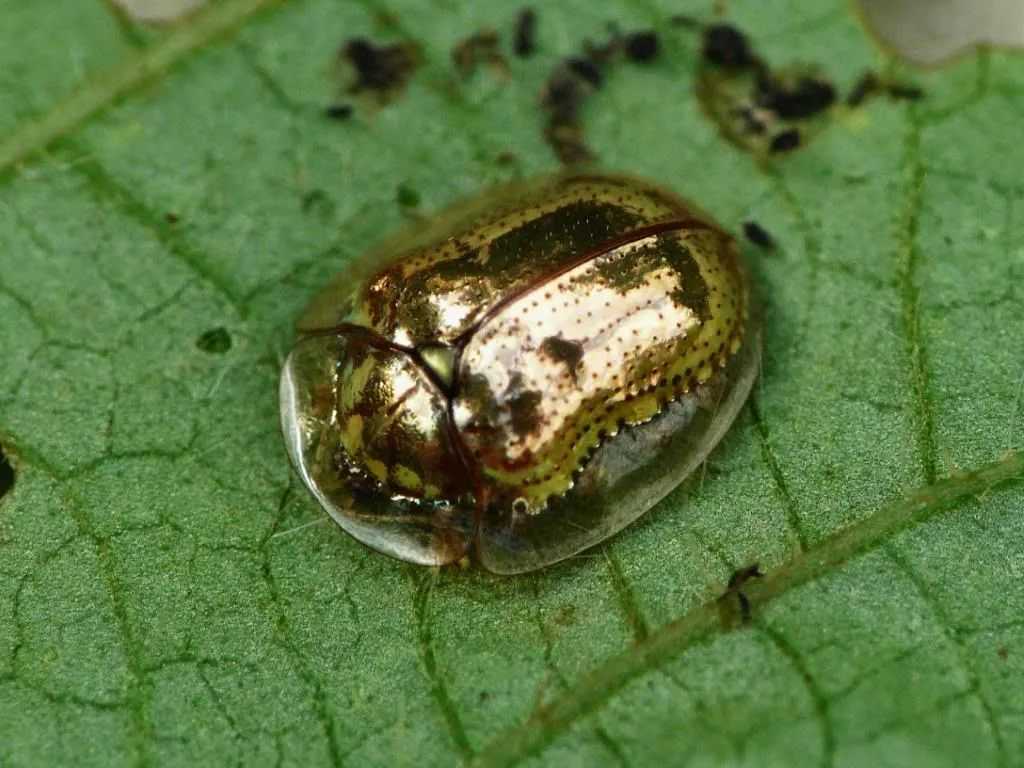
The Golden Tortoise Beetle: Shimmering Jewel of the Leaf Beetle Family with a Vast American Range
Belonging to the leaf beetle family (Chrysomelidae), the golden tortoise beetle (Charidotella sexpunctata) is a tiny arthropod renowned for its iridescent golden hue and domed, tortoise-like shell. Native to the Americas, this species boasts a remarkably wide distribution, thriving from southern Canada to South America in diverse habitats ranging from farmlands to forests.

The Pink Fairy Armadillo: World’s Tiniest Armor-Clad Wonder with a Fluffy Pink Hue
Known as the pygmy armadillo or pink fairy armadillo (Chlamyphorus truncatus), this species holds the title of the smallest armadillo. Excluding its tail, it measures just 90 to 115 millimeters in length, blending delicate pink scales with a velvety white underbelly. Native to Argentina’s central grasslands, it’s a master of subterranean life, rarely seen above ground.

The Yeti Crab: Deep-Sea Marvel Renowned for Its Golden-Haired Legs
Also known as the Hoff crab, the yeti crab (Kiwa hirsuta) has captivated marine biologists with its most striking feature: legs and claws entirely covered in dense, golden bristles. Discovered in 2005 near hydrothermal vents in the South Pacific, this crustacean belongs to the family Kiwidae and thrives in some of the ocean’s most extreme environments.
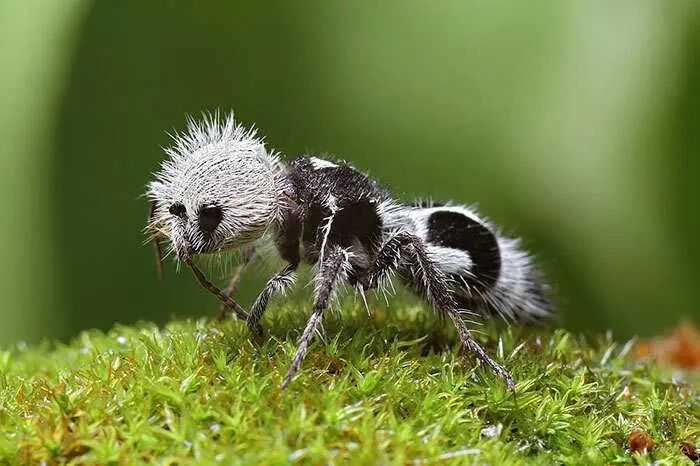
The Panda Ant: Deceptive Black-and-White 'Ant' That's Actually a Wingless Wasp
Despite its name and ant-like appearance, the panda ant (Myrmecopsis sp.) is a wingless wasp belonging to the family Mutillidae. Found in arid regions of Chile and parts of Argentina, this striking insect has captivated entomologists with its black-and-white coloration—a pattern that belies its true identity and hides a painful secret.

The Mwanza Flat-headed Iguana: Nature’s Real-Life 'Spiderman' with Iconic Red-Blue Coloration
Resembling a creature straight from a comic book, the Mwanza flat-headed iguana (Agama mwanzae) has earned global attention for its striking red and blue coloration—an uncanny resemblance to Spider-Man. Native to eastern Africa (not South America, despite common misconceptions), this lizard thrives in rocky habitats from Tanzania to Kenya, using its vibrant hues for both survival and social signaling.
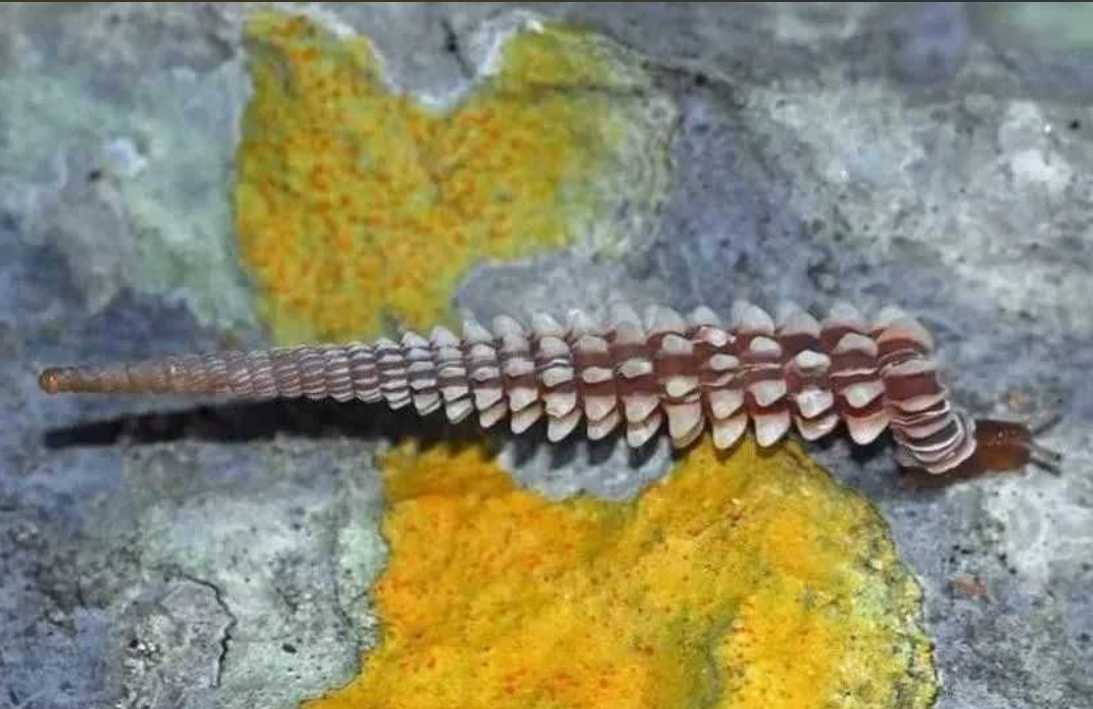
Cuba’s Enigmatic Callonia Snail: Scaled Funnel Shell Redefines Mollusk Morphology
Endemic to Cuba’s mist-shrouded mountain ranges, the Callonia snail (genus Callonia) perplexes biologists with its scale-covered, funnel-shaped shell—an evolutionary departure unmatched in the mollusk kingdom. Discovered in the 1930s, this rare gastropod thrives in cloud forests above 1,000 meters, its unique form hinting at adaptations to Cuba’s karst landscapes. Though poorly studied, its striking shell has become a symbol of island biodiversity under threat.

The Helmeted Turtle Ant: America’s Living Shield with a Disc - Shaped Head
Native to the tropical forests of the Americas, the helmeted turtle ant (Cephalotes varians) is renowned for its flattened, disc - like head that resembles a natural shield. A member of the turtle ant genus, this species has evolved an extraordinary defense mechanism: when threatened, worker ants plug their nest entrances with their armored heads, acting as living barricades to fend off intruders.

The Indigo Mosquito: South America’s Stunning yet Deadly Rainforest Jewel
Regarded as the world’s most beautiful mosquito, the indigo mosquito (Sabethes cyaneus) mesmerizes with its iridescent metallic blue and purple hues, while its legs shimmer in feathery scales. Native to South America’s rainforests, this species’ dazzling appearance masks a dangerous reality: it’s a blood-sucking vector of yellow fever, blending aesthetic splendor with biological threat.