Microscopic World

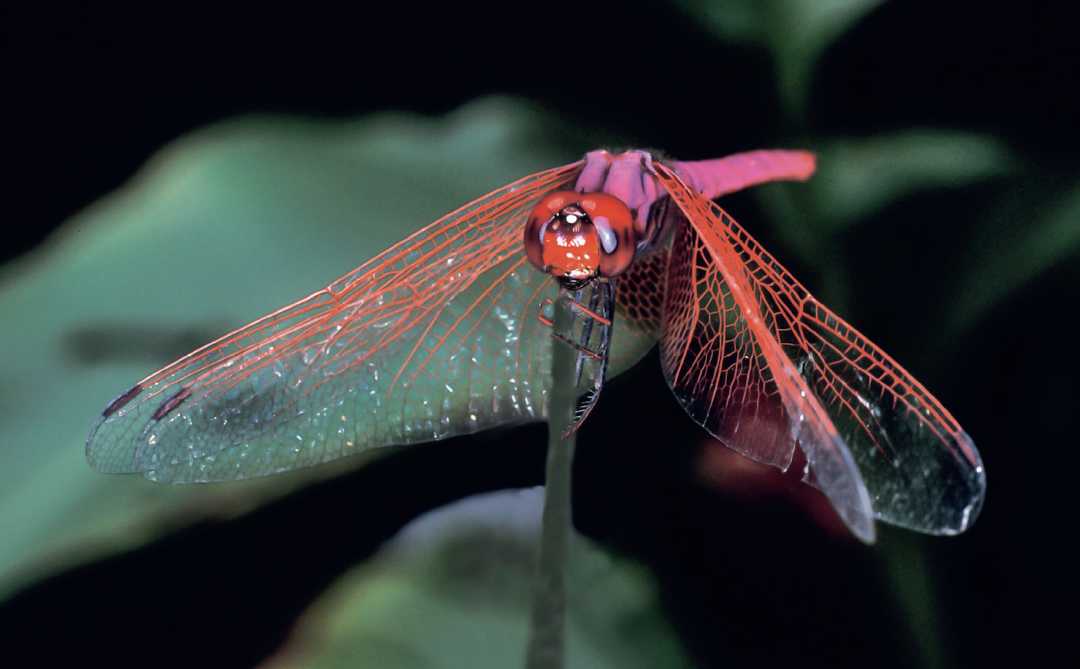
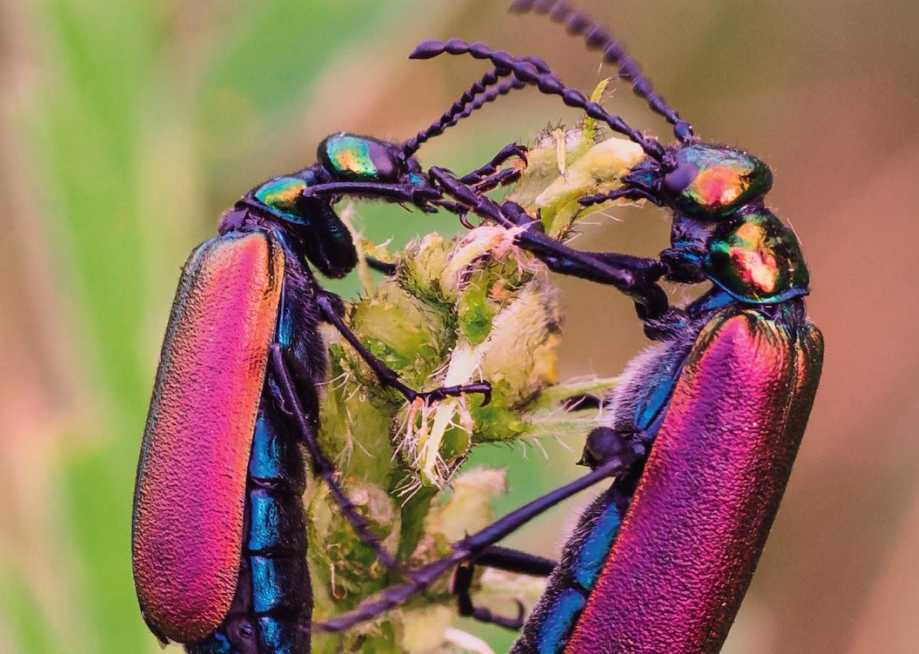

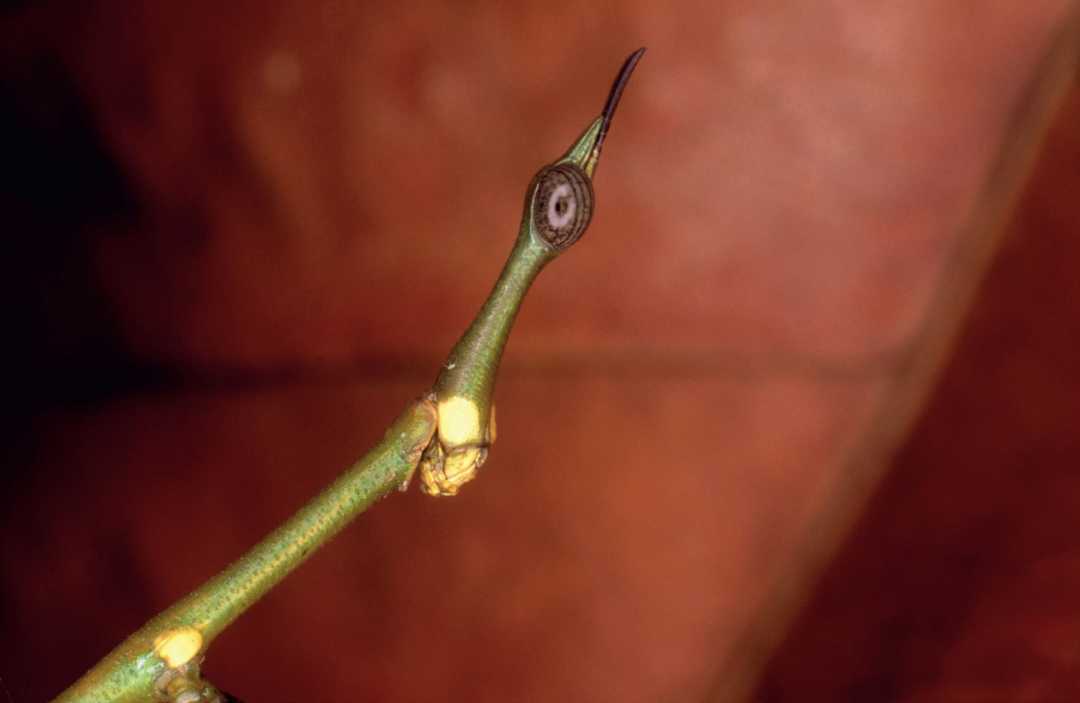
Amazon's Quirky Horsehead Grasshoppers: Proscopiidae Family Thrives in South American Rainforests
The Amazon region of South America serves as a haven for Proscopiidae, commonly known as horsehead grasshoppers. At first glance, these insects bear a striking resemblance to stick insects, with elongated bodies and spindly legs that help them blend into forest foliage. But their most distinctive feature is the bulbous, horse-like shape of their heads, giving them a comical appearance that evokes smiles—some even say their clear, beady eyes and awkward posture resemble beloved childhood classmates.
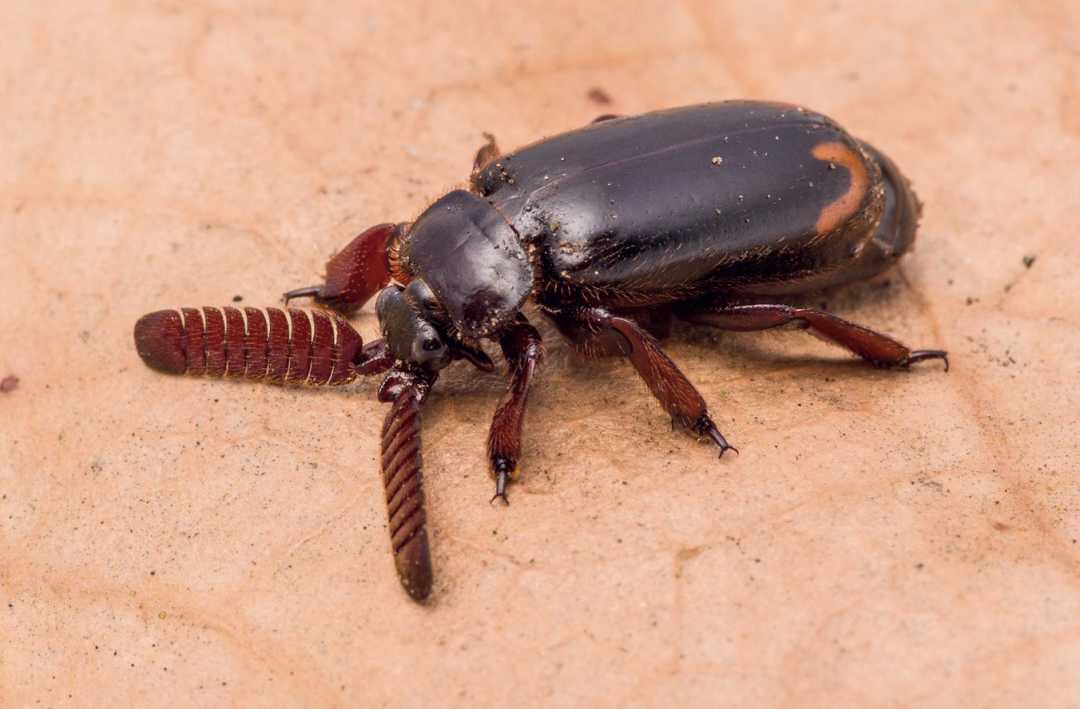
Cerapterus laceratus: Mozambique's Beetle Tricks Ants with Pheromone Mimicry and Scalding Defense
The adult and larval stages of Cerapterus laceratus, a rove beetle from Mozambique, have evolved a dual defense strategy that combines chemical trickery and fiery retaliation. By secreting compounds that mimic ant pheromones, these insects gain seamless integration into ant colonies, where they move freely without triggering aggression. This deceptive adaptation allows them to exploit ant resources while avoiding predation—a biological ruse rare in the insect world.

Motuweta isolata: New Zealand's Fanged Giant Weta Fights with Elaborate Tusks
Endemic to New Zealand’s Mercury Islands, the Motuweta isolata, a species of giant weta, lives up to its name with a rugged, imposing appearance. The most striking feature of the male is its elongated, curved tusks—resembling miniature fangs—that evolved for ritualized combat rather than predation. Far from conventionally beautiful, its robust exoskeleton and bulky form reflect a life shaped by survival in the harsh island environment.

Spiky Larva of the False Ladybug Family Feeds on Fungi in Madagascar's Rainforests
In the lush rainforests of Madagascar, a larva covered in stiff, protruding spines catches the eye. Belonging to the false ladybug family (Endomychidae), this intriguing insect sports an armor of sharp projections, a striking adaptation that sets it apart in the tropical undergrowth. Far from its adult form’s resemblance to ladybugs, the larva’s spiky exterior serves both as protection and a unique identifier in the fungal-rich ecosystem.

Madagascar's Demon-Horned Tortoise Beetle: A Bizarre Beauty with Fiery Projections
In the realm of beetles, those adorned with devilish horns are a rarity, but a unique tortoise beetle from Madagascar defies expectations with its otherworldly appearance. This extraordinary insect sports two prominent, curved spikes on its elytra, resembling miniature demon horns that rise from its back. The contrast between its armored, domed shell and these fiery projections creates a bizarre yet captivating silhouette, making it a standout in the island’s diverse ecosystems.

Calopsocus sp.: Australia's Stunning Lichen Fly Redefines Psocid Expectations
Hailing from Australia’s eucalyptus forests, Calopsocus sp. shatters stereotypes about psocids (barklice) with its remarkable morphology. Unlike most psocids, whose wings end in sharp points, this species features wingtips that curve gently downward, creating a sleek, elegant outline. The smooth, downward bend—often paired with vibrant coloration or intricate patterns—sets it apart in the world of tiny, often-overlooked insects.
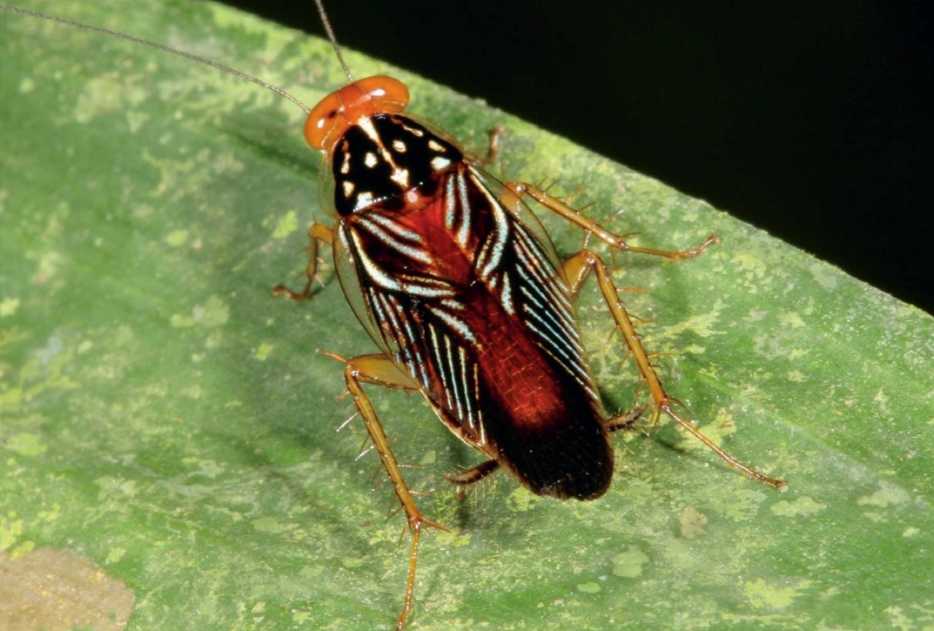
Euphyllodromia sp.: Central America's Colorful Cockroach Mimics Bees with Dazzling Deception
While cockroaches are typically associated with drab black or brown tones, Euphyllodromia sp. from Central America shatters this stereotype with its vibrant appearance and remarkable mimicry. This tropical cockroach has evolved to resemble local bees, boasting bold yellow and black patterns on its pronotum and wings—a design that stands as a masterclass in Batesian mimicry.

The Slender Stick Mantis of Borneo: A Peculiar Predator in the Mantid World
From the rainforests of Borneo (Kalimantan Island) emerges a mantis so 纤细 (slender) it resembles a twig, standing as one of the most extraordinary members of the mantid order. With a body as thin as a bamboo shoot, this mantis has evolved an extreme morphology—its elongated legs and narrow thorax allowing it to blend seamlessly with vegetation, but also imposing strict limitations on its hunting strategy.

Mezium affine: America's Tiny Spider-Mimicking Beetle
Measuring just 3 mm in length, Mezium affine is a curious beetle from the Americas that lives up to its name through remarkable arachnid mimicry. This minuscule insect has evolved physical traits that closely resemble a spider, blurring the line between beetle and arachnid at first glance. Its body shape, leg structure, and even behavioral cues work in tandem to create a convincing illusion.

Lepidochora discoidalis: The Desert Beetle That Harvests Fog for Survival
As a master of arid adaptation, Lepidochora discoidalis thrives in desert environments by transforming its body and behavior into a living water collection system. This sleek, disc-shaped beetle, native to arid regions, has evolved a glossy exoskeleton that minimizes sand adhesion, allowing it to glide effortlessly across dunes in search of food scraps. But its most remarkable trait lies in its ability to harvest moisture from the air—a crucial skill in landscapes where rainfall is almost nonexistent.
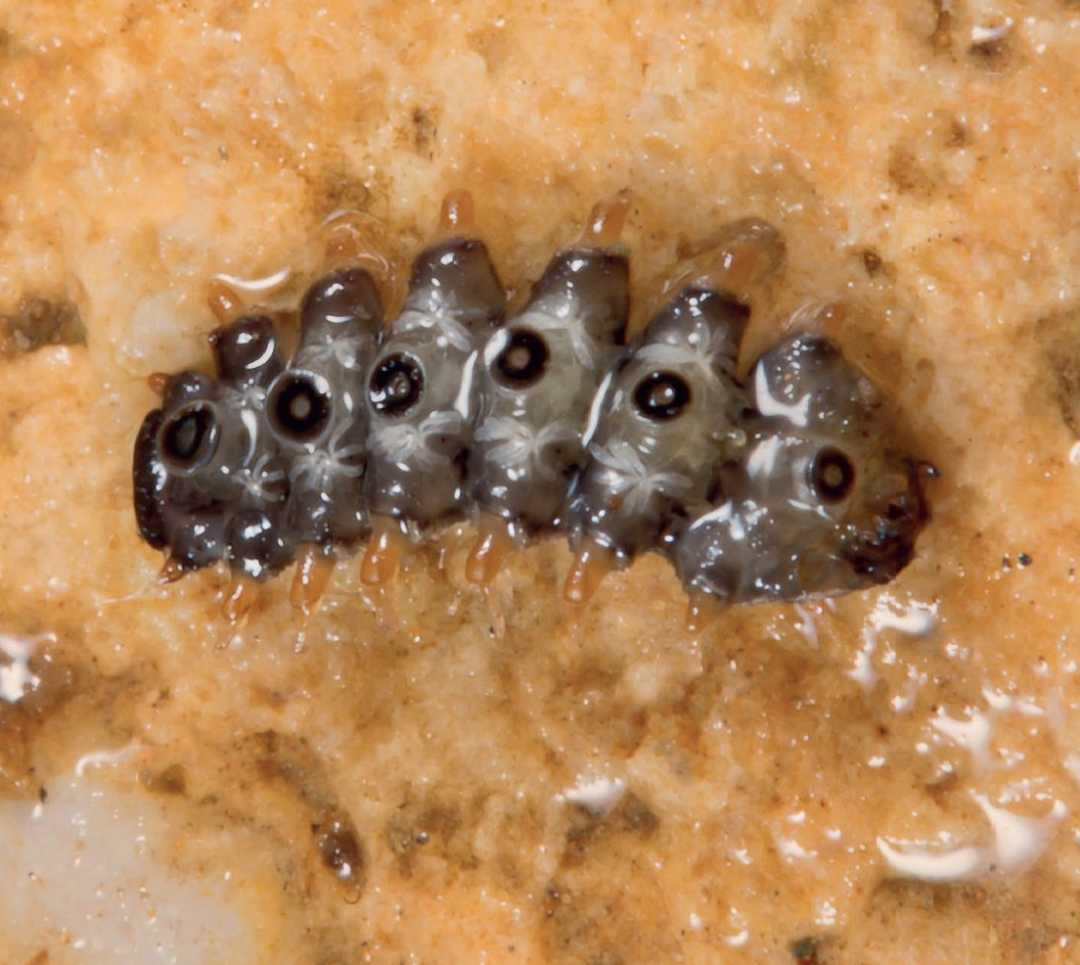
The Alien-Looking Insect of the Blephariceridae Family
Members of the net-winged midge family (Blephariceridae) resemble extraterrestrial creatures, thriving in the turbulent waters of fast-flowing streams and waterfalls. Their larvae possess a remarkable adaptation: numerous suction cups on the ventral side of their bodies, allowing them to cling tenaciously to slippery rocks amid raging currents. This unique morphology enables them to withstand the force of rushing water while feeding.
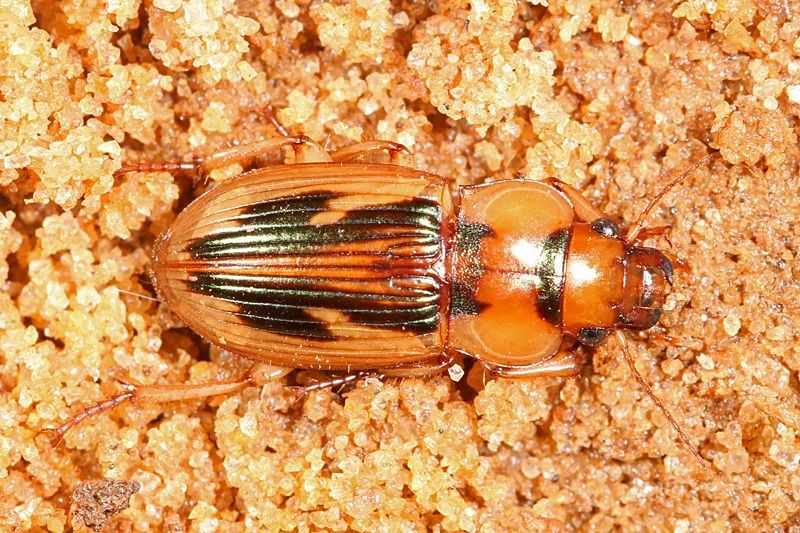
Tiger Beetles (Cicindelidae): Nature's Speed Demons and Fierce Predators
Tiger beetles, members of the family Cicindelidae, are renowned for their dazzling iridescence, aggressive predatory behavior, and unmatched speed—making them some of the most captivating insects in the animal kingdom. These beetles combine stunning aesthetics with remarkable adaptations, thriving in diverse habitats from sandy beaches to forest floors.

Click Beetles: Nature's Acrobatic Jumpers with a Startling Survival Trick
Click beetles, members of the family Elateridae, captivate with their unique ability to launch themselves into the air with an audible "click," a defense mechanism that has fascinated scientists and nature enthusiasts alike. Found worldwide, these beetles blend the mundane with the extraordinary, combining a modest 外形 with a spectacular biological adaptation.

Jewel Beetles: Nature's Living Gems with Iridescent Armor
Jewel beetles, belonging to the family Buprestidae, dazzle with metallic hues that rival precious stones, earning them names like "jewel bugs" or "metallic wood-borers." Found across the globe, these beetles combine stunning aesthetics with a unique life cycle, captivating both entomologists and nature enthusiasts. Their elytra, often emerald green, sapphire blue, or coppery red, derive their brilliance from structural coloration—microscopic ridges that refract light.

Lepidoptera: The Winged Wonders Shaping Ecosystems and Cultural Imagination
Lepidoptera, an order encompassing butterflies and moths, enchants with its unparalleled diversity and ethereal beauty. With over 180,000 known species worldwide, these insects captivate through their intricately patterned wings, formed by countless overlapping scales. From the vibrant Monarch butterflies migrating across continents to the nocturnal moths camouflaged against tree bark, Lepidoptera's ecological and cultural significance is as vast as their wingspans.

The Alarming Decline of Monarch Butterflies: A North American Icon at Risk
The Monarch butterfly (Danaus plexippus), once a beloved and iconic insect across North America, has been experiencing a continuous and distressing decline in population over recent decades, yet still awaits formal protection. This species, renowned for its spectacular long - distance migrations, has captured the hearts of people with its bright orange and black wings.

Mysterious Declines: American Burying Beetles in the East and European Yellow - Bordered Hornets
In the vast expanse of North America's eastern regions, the American burying beetle, a large and highly recognizable carrion beetle, was once a common sight. With its distinct black body adorned by orange - red patches on the elytra and pronotum, it played a crucial ecological role as nature's decomposer. These beetles, which can reach lengths of 25 - 45 mm, were known for their unique behavior of burying small animal carcasses, such as those of birds or rodents, to use as a food source for their offspring.

The Yellow - Bordered Hornet: A Wasp of Contrasting Fortunes
The yellow - bordered hornet, scientifically known as Vespa crabro, is a striking insect that commands attention with its size and distinct appearance. As the largest hornet species in Europe, it has long been a part of the region's ecosystems, but its recent decline in numbers has puzzled researchers.
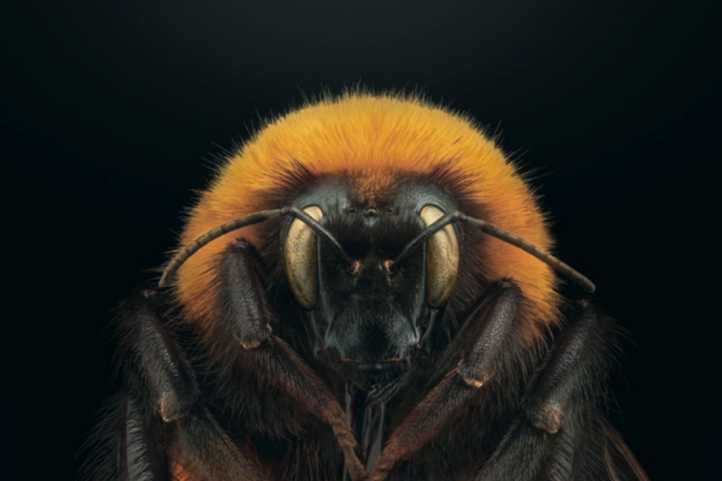
The Giant Bumblebee: Bombus dahlbomii
Bombus dahlbomii, often referred to as the "flying mouse", is one of the largest bumblebees in the world. It is the only native bumblebee species in southern South America, occupying a unique ecological niche.

The Banded Dark Fishfly: Nigronia fasciata
The banded dark fishfly, scientifically known as Nigronia fasciata, is a member of the family Corydalidae within the order Megaloptera. Here is a detailed account: