Special Animal

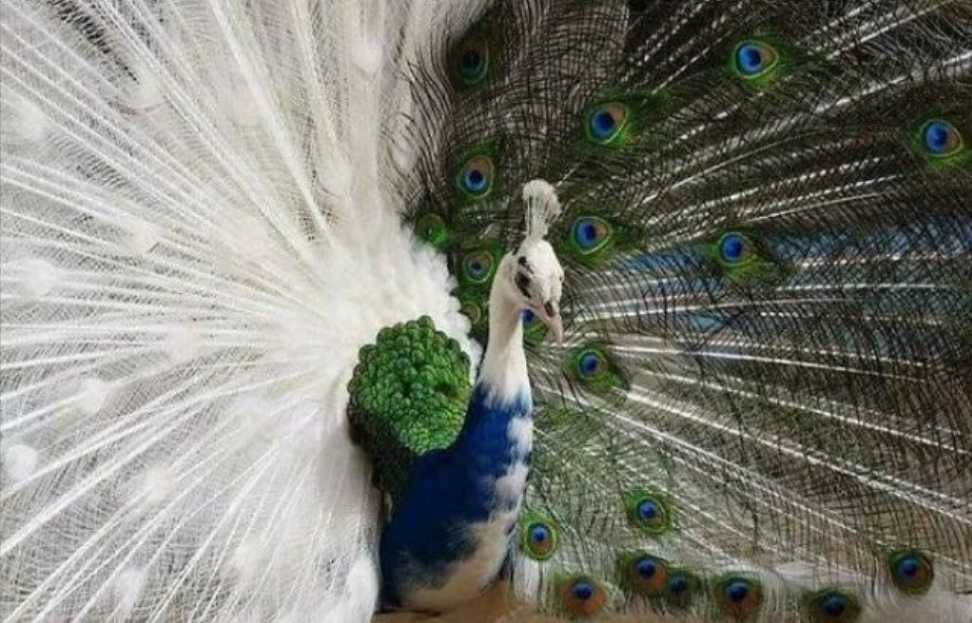


Black Flamingo Spotted in Cyprus: A Rare Ornithological Sighting
Birdwatchers and nature enthusiasts in Cyprus were treated to a once - in - a - lifetime spectacle when a black flamingo made an unexpected appearance in the country's wetlands. The unusual bird, with its deep, dark plumage contrasting sharply with the typical pink feathers of its species, has become the talk of the town and a focal point for ornithological study.

Saiga Antelopes Face Extinction as Male Poaching Disrupts Herd Gender Balance
Native to the grasslands of Eurasia, the saiga antelope (Saiga tatarica) teeters on the brink of extinction, its population devastated by a critical gender imbalance—driven by decades of rampant poaching of adult males. Once numbering in the millions, these iconic ungulates now struggle to reproduce as male herds are decimated, leaving female-dominated populations unable to sustain genetic diversity.

The Ganges Crocodile: One of the World's Largest Crocodiles with a Needle - Sharp Snout
The Ganges crocodile (Gavialis gangeticus), also known as the gharial, stands as one of the planet's most imposing crocodilian species. Native to the freshwater rivers of the Indian subcontinent, it boasts a uniquely long, slender snout perfectly adapted for its piscivorous (fish - eating) diet, making it a master predator in its aquatic habitat.
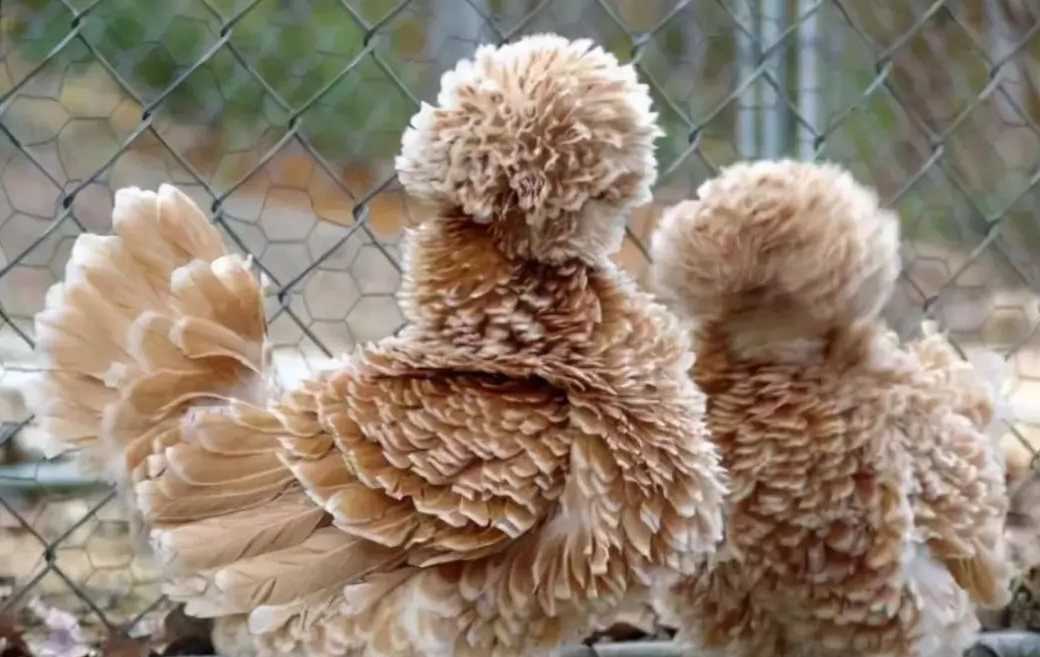
The Royal Pheasant Chicken: A British-Bred Ornamental Fowl with Noble Origins
Hailing from the United Kingdom, the Royal Pheasant Chicken—often known as the "Concubine Chicken" in some regions—has a storied history as a breed refined from common British farm chickens by the Royal Academy of Science. Developed for its striking appearance and gentle temperament, this fowl blends ornamental elegance with a heritage rooted in scientific breeding efforts.

Honey Badgers: The Fearless 'Mellivora' That Take On Lions and Snack on Venomous Snakes
Known worldwide as the "honey badger" or the internet-famous "Pingtouge," Mellivora capensis has earned a reputation for unmatched bravery and a diet that defies logic. These stocky mammals, native to Africa, Asia, and the Middle East, are infamous for charging lions, tussling with hyenas, and even munching on cobras and vipers as if they were mere snacks.
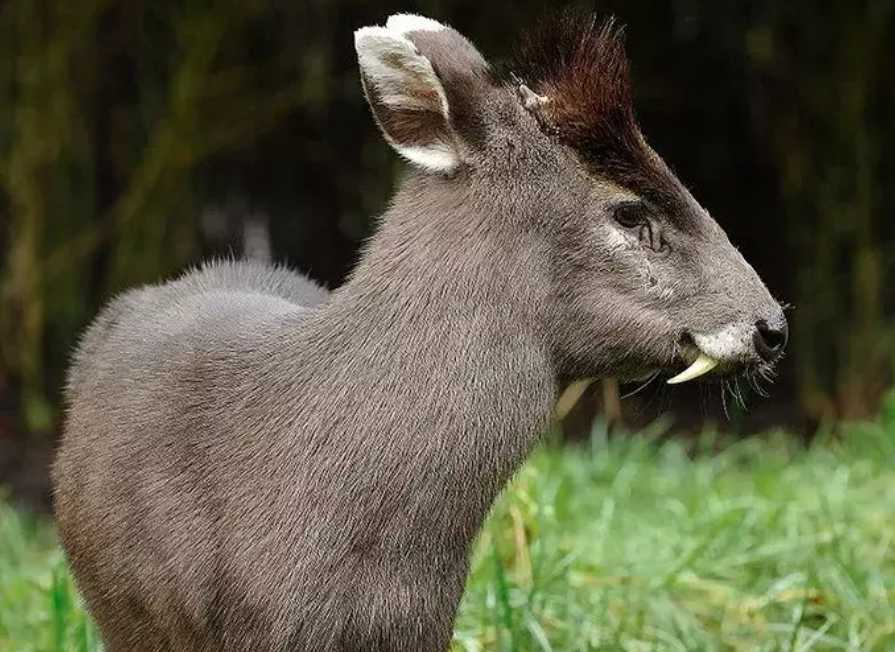
Tufted Deer: A Small, Elusive Deer Species Discovered in Central China
Nestled within the mountainous forests of central China roams a diminutive deer species that captivates with its unique appearance and elusive nature. The tufted deer (Elaphodus cephalophus), named for the distinctive tuft of black hair atop its head, stands out as a rare gem among the diverse wildlife of Asia, blending distinctive features with a secretive lifestyle.

The Sunda Colugo: An Indonesian Native That's Neither a Monkey Nor a True Flyer
Native to the rainforests of Indonesia, Malaysia, and Thailand, the Sunda colugo (Galeopterus variegatus) confuses observers with its misleading name. Despite being called a "cat monkey" in some regions, this arboreal mammal belongs to the order Dermoptera—and rather than flying, it performs an astonishing glide that spans up to 100 meters between trees.
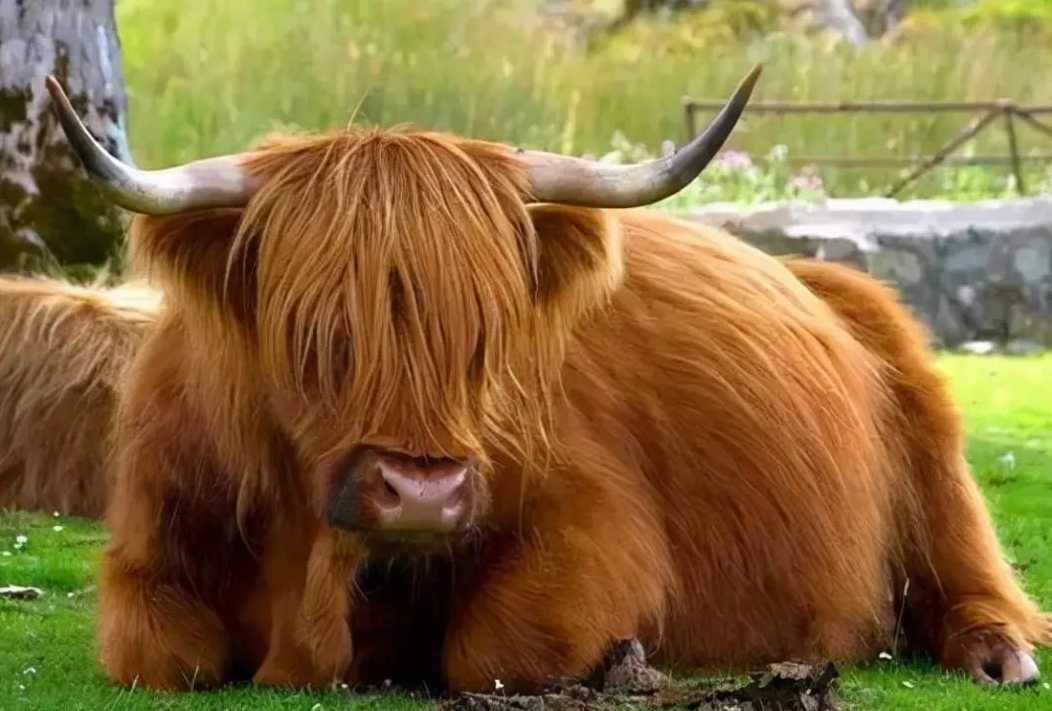
Miniature Highland Cattle: The Trendy Bovines with Eye - Grazing Bangs
Native to the Scottish Highlands, the miniature Highland cattle have become an unexpected symbol of rustic chic, captivating animal lovers and fashion enthusiasts alike with their shaggy, over - the - eyes bangs. These pint - sized bovines, though bred for their hardiness, have gained a cult following for their distinctive "hipster" appearance, blending practical adaptation with undeniable style.

The Pink River Dolphin: Amazon’s Enigmatic Pink Wonder Unique to River Ecosystems
In the murky waters of the Amazon and Orinoco river basins, a creature of mythical allure glides through the currents: the pink river dolphin (Inia geoffrensis), a unique species that has captivated indigenous tribes and scientists for centuries. Often called the "botos," these dolphins stand out not only for their striking pink hue but as one of the few freshwater dolphin species on Earth, evolving the perfect adaptation to thrive in the Amazon’s labyrinthine waterways.

The Dumbo Octopus: A Deep - Sea Marvel Named After Disney's Beloved Elephant
Hiding in the pitch - black depths of the ocean, the dumbo octopus (Grimpoteuthis) floats like a living piece of animation, its name inspired by Disney’s iconic flying elephant, Dumbo. With flapping ear - like fins and a gelatinous, umbrella - shaped body, this deep - sea cephalopod has captured the imagination of marine biologists and the public alike, proving that reality can be just as magical as fiction.

Angora Rabbits: Fluffy Icons Blending Pet Tenderness and Economic Value
Originating from Ankara, Turkey, Angora rabbits are renowned for their long, silky fur. Revered as docile, affectionate pets, they also serve as a vital economic asset due to their high wool production—traits that have made them a global phenomenon for both animal lovers and industries.

The Black - Nosed Sheep: A Glacier Goat with a Distinctive Monochrome Look
Native to the mountainous regions of the Swiss Alps, the black-nosed sheep (Ovis aries) stands out as a striking member of the glacier goat family, renowned for its unique coloration. With a jet-black face, ears, knees, and legs, the breed contrasts sharply with its thick, snowy-white fleece, creating a memorable appearance that has made it an iconic symbol of alpine landscapes.

The Kiwu Tree Viper: A Dragon-Like Venomous Snake from Central Africa
Native to the rainforests of Central Africa, the Kiwu tree viper (Atheris hispida) strikes an imposing figure, with its spiky scales and vibrant coloration earning it comparisons to mythical dragons. Found in regions like Rwanda and the Democratic Republic of Congo, this arboreal serpent combines beauty with lethality, thriving in the forest canopy as one of Africa’s most distinctive venomous species.

The Long-Eared Jerboa: A Desert Dweller with Ears Larger Than Its Body
Native to the arid deserts of Mongolia and northern China, the long-eared jerboa (Euchoreutes naso) defies expectations with its disproportionately giant ears, which can reach up to 6 centimeters—longer than its entire head and body combined. This mouse-sized rodent, adapted to survive in harsh desert environments, has captivated scientists and animal enthusiasts alike with its bizarre appearance and unique behavioral traits.

The Star-Nosed Mole: Nature’s Most Extraordinary Nose in North America
Native to North America, the star-nosed mole is a small mammal measuring 15–20 cm in length, inhabiting wetland ecosystems. Its name stems from the 22 pink, star-shaped tentacles surrounding its nose—a unique feature that sets it apart in the animal kingdom.
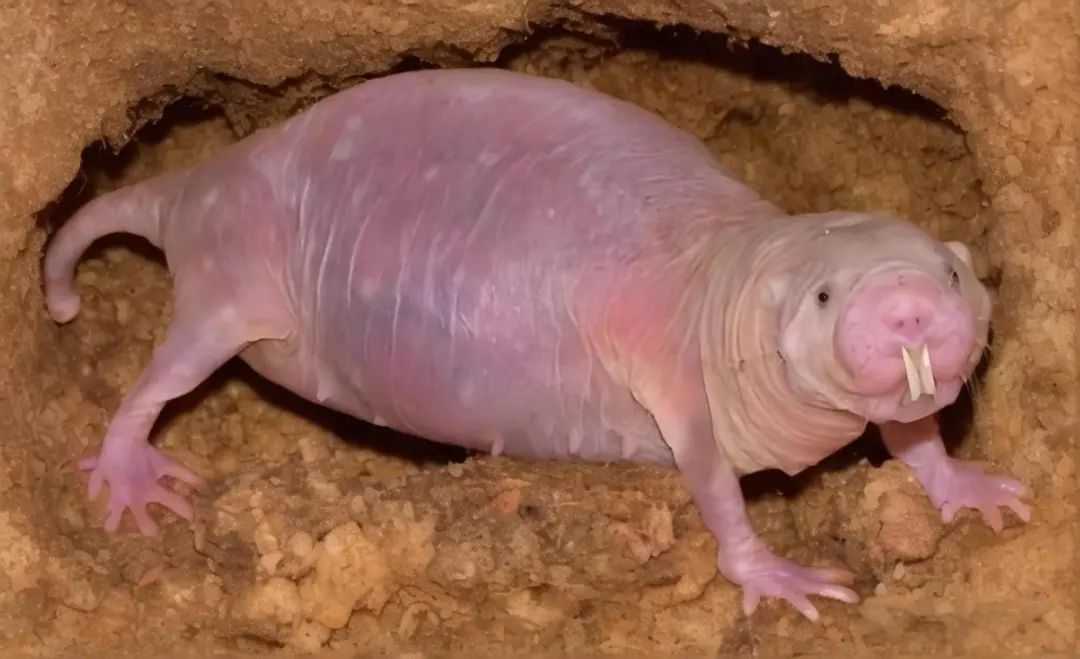
The Naked Mole-Rat: East Africa’s Hairless Wonder of Evolutionary Oddity
Endemic to East Africa, the naked mole-rat is a hairless rodent measuring 8–10 cm in length, subsisting primarily on underground tubers. Remarkably, its skin lacks pain receptors, and the species shows resistance to cancer and hypoxia—traits that have fascinated scientists for decades.
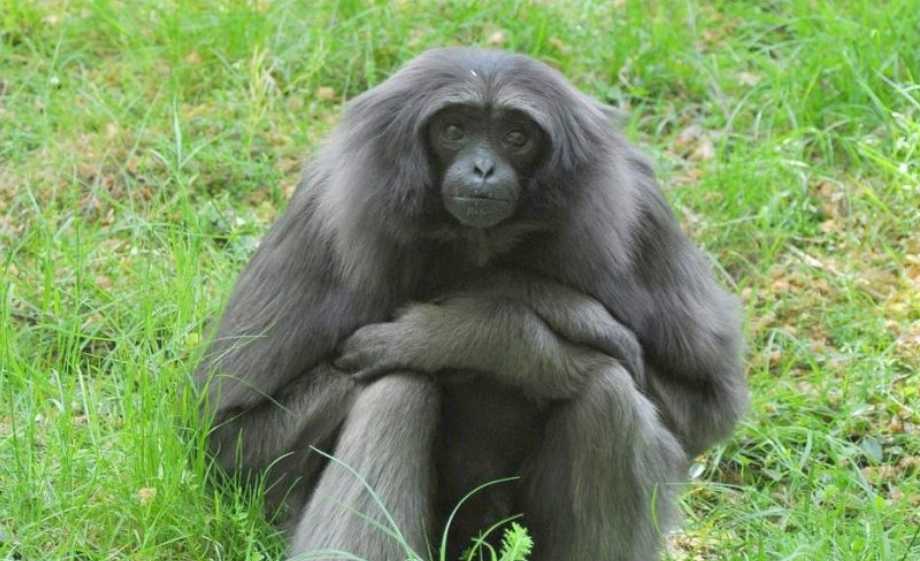
The Grey Gibbon: A Primate with an Expressive Face of Innocence and Subtle Sorrow
In the lush rainforests of Southeast Asia, the grey gibbon (Hylobates moloch) stands out not just for its agile brachiation but for its remarkably human-like facial expressions. With large, soulful eyes and a permanent expression that blends innocence with a hint of melancholy, this arboreal primate has captivated observers, sparking curiosity about the emotions behind its unique countenance.
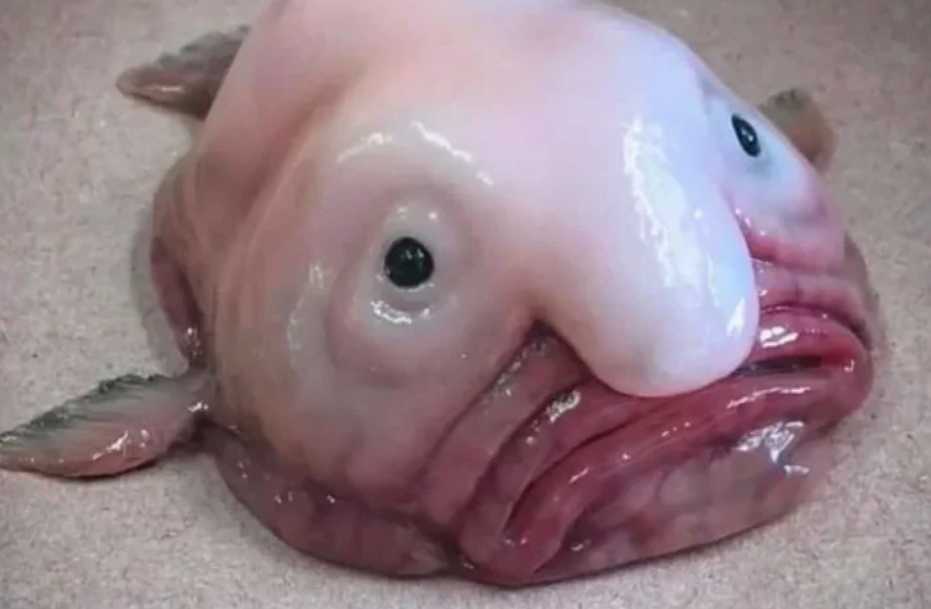
The Blobfish: Deep-Sea Oddity Named World’s Ugliest Animal
Scientifically known as Psychrolutes marcidus, the blobfish inhabits 600–1,200m deep-sea waters, measuring 30–38 cm in length. This gelatinous creature lacks bones and muscles, with a body density slightly lower than water—enabling it to float passively while capturing prey.

The Knob-billed Duck: A Large, Bizarre-Looking Waterfowl with Unique Features
Native to wetlands across South Asia, Africa, and parts of Australia, the knob-billed duck (Sarkidiornis melanotos), named for its distinctive facial protuberance, stands out as one of the most unusual-looking waterfowl species. This large duck, with its striking appearance and quirky physical traits, has long fascinated ornithologists and birdwatchers.

The Cassowary: Australia’s Ancient Bird with Claws That Can Slash Through Hard Objects
Native to the rainforests of Australia and New Guinea, the cassowary (Casuarius casuarius) stands as one of the world’s oldest bird species, renowned for its prehistoric appearance and formidable defensive capabilities. This flightless bird, often called the "rainforest dinosaur," has survived for millions of years, and its sharp claws have earned it a reputation as one of the most dangerous birds on the planet.