Rare Organism


The Scaly - Foot Gastropod: Nature's Metallic - Shelled Marvel
In the vast tapestry of the natural world, the scaly - foot gastropod stands out as a true anomaly. It is the only known animal in nature to possess a metallic shell, a feature that makes it seem like a living, breathing relic from a fantastical realm. This extraordinary creature defies expectations with its unique adaptations.
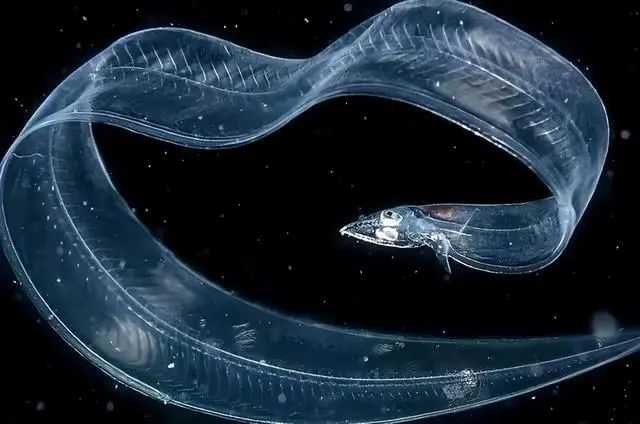
The Enigmatic Journey of the Leaf-like Eel Larvae: Nature's Translucent Travelers
In the vast expanse of the ocean, a mesmerizing spectacle unfolds in the form of the leaf-like eel larvae, or "leptocephali." These are the larval stage of eels and certain fish species, characterized by their incredibly thin, leaf-shaped bodies, which give them their name. Translucent and ethereal, they are a testament to the wonders of marine life adaptation.

The Bobbit Worm: Ocean’s Deadly Ambush Predator
In the depths of tropical seas lurks Eunice aphroditois, better known as the Bobbit worm—a creature so fearsome it’s dubbed “the true worm of hell.” With a body stretching up to 3 meters, this marine predator hides beneath sandy seabeds, using its five bioluminescent tentacles as lures, ready to unleash a deadly surprise on unsuspecting prey.
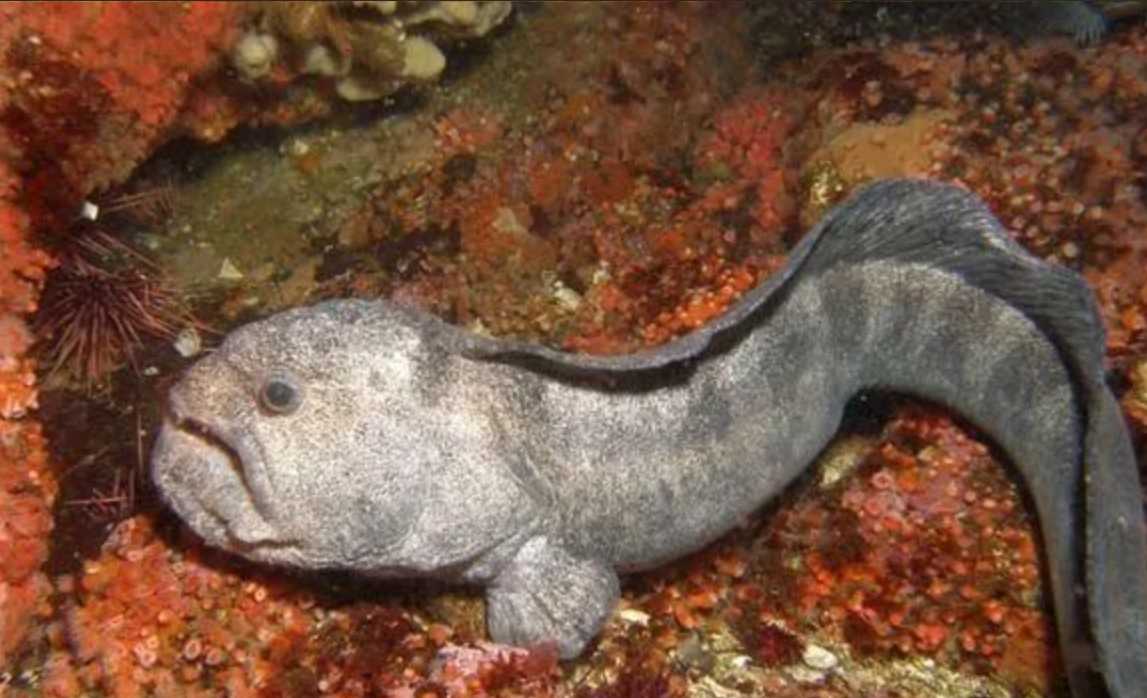
The Enigmatic Wolf Fish: Masters of the Cold - Water Depths
In the frigid waters of the Atlantic and North Pacific Oceans dwells the remarkable wolf fish, a species reaching up to 1.5 meters in length and belonging to the order Anarhichadiformes. The Atlantic wolffish, commonly known as the ocean catfish, and the Bering wolffish are its prominent representatives, each adapted to distinct underwater habitats.

The Giant Isopod: Deep-Sea Living Fossil and Resilient Marvel
In the abyssal depths of the Indo - West Pacific and western Atlantic Oceans, the giant isopod, also known as the "giant deep - sea louse" or "deep - sea pangolin," roams. With an appearance resembling an oversized louse, it features two pairs of antennae, seven pairs of jointed limbs, and a distinctive shield - like exoskeleton made of calcium - rich scales that merge seamlessly with its head and tail.

The Goblin Shark: A Slow - Moving Predator with a Deadly Surprise
Lurking in the ocean's depths, the goblin shark, a large - sized benthic predator, earns its name from its distinctive protruding snout, which resembles a sharpened dagger. Despite its menacing appearance, this shark defies expectations with its flabby muscles and sluggish, almost lethargic swimming style, often seen leisurely drifting through the water.

Tardigrades: The Indomitable Microscopic Marvels of Life
Known as water bears, tardigrades are minuscule, segmented creatures belonging to the phylum Tardigrada. With a history tracing back to the Cambrian period 500 million years ago, these microscopic beings have earned a reputation as some of the most resilient organisms on Earth. Their ability to withstand extreme conditions sets them apart in the natural world.

The Vampire Squid: Eerie Deep - Sea Enigmas of the Abyss
In the pitch - black, oxygen - starved depths of tropical and temperate oceans, between 600 and 4,000 meters below the surface, dwells the vampire squid, or Vampyroteuthis infernalis, a mysterious cephalopod. Measuring around 15 centimeters in length, this creature has earned its ominous moniker from its otherworldly appearance and survival tactics in one of the most extreme environments on Earth.

The Viperfish: Sinister Predator of the Deep Sea Abyss
In the pitch - black depths of tropical to temperate oceans, the viperfish lurks, a small yet fearsome deep - sea fish measuring under 35 centimeters in length. Its appearance alone is enough to send shivers down one’s spine, embodying the stuff of nightmares with features that seem ripped from the pages of a horror story.

The Gulper Eel: Deep-Sea Predator with a Gargantuan Appetite
Dwelling in the abyssal depths, the gulper eel, or Eurypharynx pelecanoides, stands out as one of the ocean's most bizarre creatures. This deep-sea fish, reaching up to 1.8 meters in length, is instantly recognizable by its disproportionately large mouth and an elongated, whip-like tail that makes up three-quarters of its body. Its unusual anatomy defies typical fish morphology, hinting at a unique survival strategy in the harsh underwater environment.

Arctic's Adorable Ambassadors: The Charming Harp Seals
In the icy expanse of the Arctic Ocean, harp seals thrive as remarkable marine mammals. Measuring around 1.7 meters in length and weighing approximately 130 kilograms as adults, these creatures navigate the frigid waters with grace. Feeding primarily on fish and crustaceans, they have adapted uniquely to their harsh, polar habitat.

The Majestic Emperors of the Antarctic: Adorable and Resilient
In the harsh, icy landscapes of Antarctica, the emperor penguin reigns supreme as the continent's largest penguin species. Standing at around 1.2 meters tall and weighing between 20 to 45 kilograms, these magnificent birds navigate the frigid waters, feasting primarily on fish and shrimp. Their robust build and unique adaptations allow them to thrive in one of the most extreme environments on Earth.

The Charming yet Deadly Pufferfish: A Marvel of the Seas
In the temperate and tropical waters of the world's oceans, the pufferfish, with its distinctive cylindrical body and measuring 15 to 30 centimeters in length, gracefully navigates its marine habitat. Feeding mainly on shellfish and algae, this unassuming creature has evolved a unique and captivating survival strategy that sets it apart from other sea dwellers.

The "Smiling Angels" of the Arctic: Graceful White Belugas
In the icy waters of the Arctic Ocean, white belugas, a species of toothed whales, captivate all who encounter them. Growing 4 to 5 meters long and weighing between 1 to 1.5 tons as adults, these marine mammals thrive on a diet of fish and cephalopods. Their unique appearance and endearing behaviors have earned them a special place in the hearts of ocean enthusiasts.

A Delightful Discovery: Unveiling the "Adorable" Octopus
In 2015, a team of marine biologists from the Monterey Bay Aquarium Research Institute (MBARI) in the United States embarked on an expedition with a specific focus on exploring the rich marine life of the local waters. Equipped with state - of - the - art remotely operated vehicles (ROVs) and a wealth of scientific knowledge, they were ready to uncover the secrets hidden beneath the ocean's surface.

The Vaquita: Mexico’s Critically Endangered "Sea Panda"
Native to Mexico’s Gulf of California, the vaquita is a tiny porpoise with a big heart—and an even bigger fight for survival. Measuring about 1.5 meters in length and weighing around 50 kilograms, this shy marine mammal subsists on small fish and squid. Tragically, it holds the distinction of being the world’s most endangered cetacean, with fewer than 20 individuals remaining in the wild.

The Quirky Boxfish: A Living Underwater Cartoon in Tropical Reefs
In the vibrant coral reefs of the Indian and Pacific Oceans, the Ostracion cubicus, or "papaya fish," adds a splash of whimsy to the marine world. Growing between 10 to 25 centimeters in length, this tropical inhabitant dwells among coral formations, munching on algae and small invertebrates. Its unique appearance makes it stand out like a character from an animated film.

The Enchanting Spotted Seal: A Guardian of Northern Waters
In the temperate seas of the Northern Hemisphere, the spotted seal (Phoca largha) thrives as a charismatic marine mammal. Growing 1.5 to 2 meters in length, this species relies on a diet of fish and shellfish to sustain its life in the ocean’s dynamic ecosystems. As a first-class protected animal in China, it holds a critical place in conservation efforts aimed at preserving marine biodiversity.

The Dapper "Gentlemen" of the Antarctic: Chinstrap Penguins
Inhabiting the windswept islands surrounding Antarctica, chinstrap penguins (Pygoscelis antarctica) are small yet striking birds perfectly adapted to life in the harsh southern polar region. Standing about 70 centimeters tall, these penguins thrive on a diet of krill and small fish, navigating icy waters and rocky shores with equal ease. Their distinctive appearance makes them one of the most recognizable species in the Antarctic ecosystem.

The Enchanting Sea Horses: Nature’s Miniature Marine Marvels
While it’s no secret that sea horses aren’t horses, these captivating creatures have long charmed observers with their whimsical appearance and unique behaviors. Belonging to the Syngnathidae family of bony fish, sea horses inhabit tropical and temperate shallow waters, ranging in size from 5 to 30 centimeters. Unlike most fish, they boast a suite of adaptations that make them stand out as true oddities of the ocean.