Insect Close-up

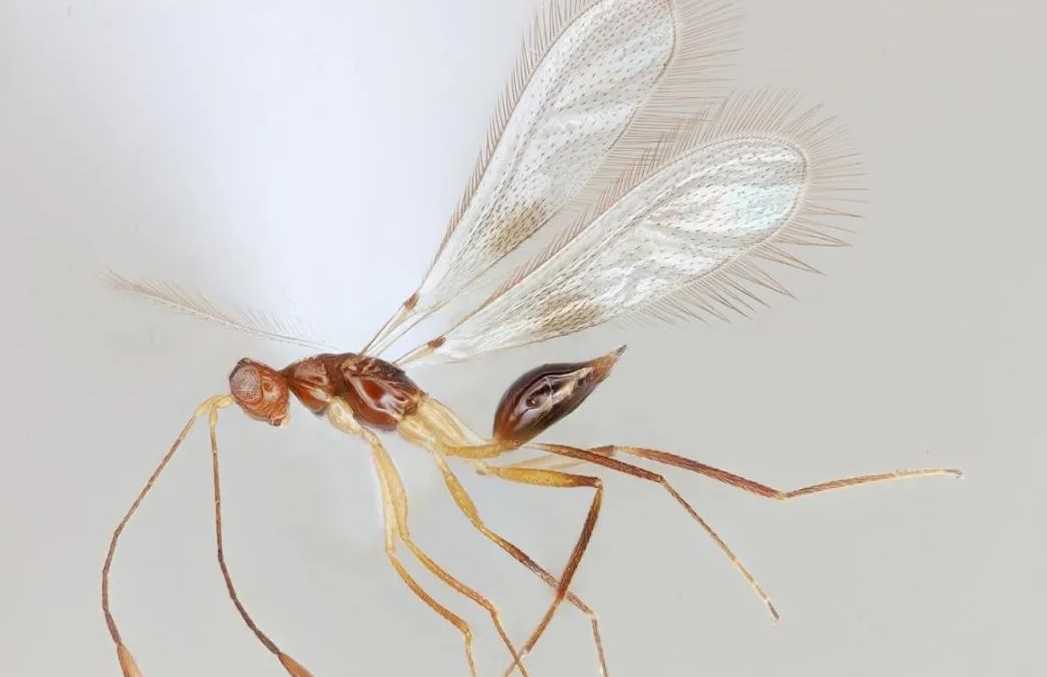


Chironomids: The High - Speed Wing Beaters of Aquatic Ecosystems
Chironomids, commonly known as non - biting midges, rank among nature’s most astonishing wing beaters, with estimates showing they can flap their wings up to 63,000 times per minute. This incredible frequency, almost too rapid for the human eye to track, highlights their unique adaptation to aquatic environments. Yet their physiological resilience is even more remarkable: when the wing tips are truncated and they’re placed in a warm environment of 99°F (约 37.2°C), their wing beats can surge to a staggering 130,000 times per minute, a testament to their muscular and neural efficiency.

Orchid Mantis: Nature's Perfect Floral Mimic with Extreme Sexual Dimorphism
The orchid mantis (Hymenopus coronatus) stands as a marvel of evolutionary adaptation, renowned for its uncanny ability to mimic orchids—an illusion so precise it deceives both prey and observers. This species exemplifies extreme sexual dimorphism, with adult females reaching 6–7 centimeters in length, while males measure a mere 2.5 centimeters. This size disparity is matched by striking differences in appearance, making them one of the most visually distinct insect species.
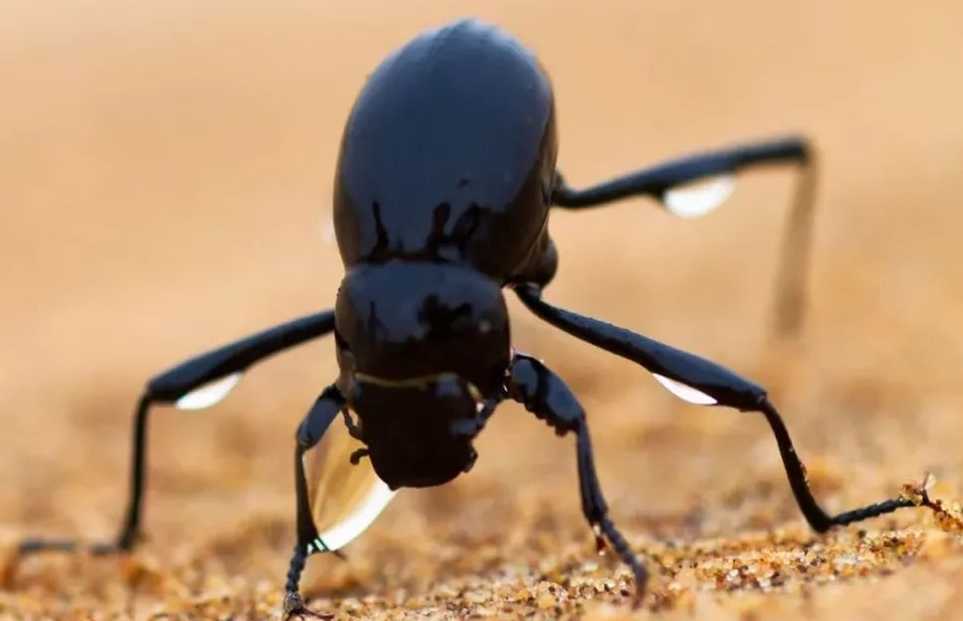
The Namib Desert Beetle (Stenocara gracilipes): Nature's Master of Fog Harvesting
The Namib Desert beetle, Stenocara gracilipes, stands as a testament to evolutionary adaptation in one of Earth’s harshest environments. This coleopteran insect, endemic to the Namib Desert of southwestern Africa, has evolved a remarkable survival strategy: harvesting fog droplets through its uniquely textured elytra, a trait that has inspired groundbreaking biomimetic water-collection technologies.

The Rainbow Stag Beetle (Phalacrognathus muelleri): Nature's Living Jewel
The rainbow stag beetle, Phalacrognathus muelleri, is a biological marvel renowned for its iridescent metallic hues that rival precious gems. Native to the forests of Australia and New Guinea, this coleopteran species has captivated entomologists and pet enthusiasts alike with its structural coloration—a phenomenon produced by microscopic wing surface ridges that refract light into a spectrum of blues, purples, golds, and greens.

The Stag Beetle (Lucanidae): Nature's Antlered Warriors and Silent Engineers
Stag beetles, members of the family Lucanidae, are iconic insects celebrated for their dramatic sexual dimorphism—nowhere more evident than in the antler-like mandibles of males, which can exceed body length in some species. With around 1,200 known species globally—50 of which are endemic to Taiwan—these beetles blend martial prowess with ecological utility, thriving in forest ecosystems where their larvae feed on decaying wood.
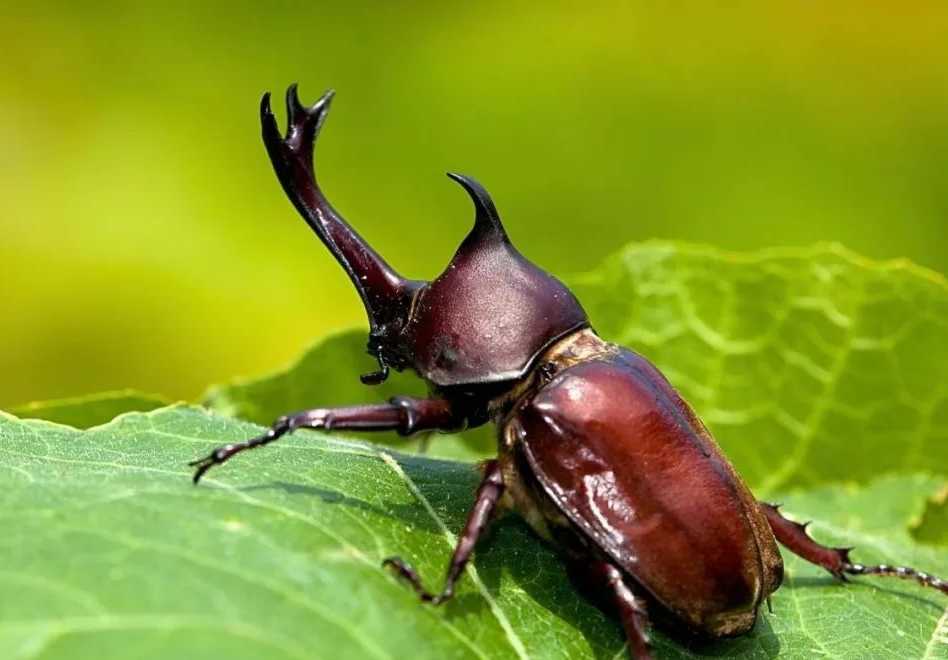
The Japanese Rhinoceros Beetle (Allomyrina dichotoma): A Horned Symbol of Strength and Nature's Engineer
The Japanese rhinoceros beetle, scientifically known as Allomyrina dichotoma, is an iconic insect revered for its distinctive Y-shaped horn and deep cultural significance in Japan. Measuring 3–5 centimeters in length, this scarab beetle captivates with its robust build and unique morphology, while its larval stage plays a crucial role in forest ecosystems as a decomposer.

The Ladybug (Coccinellidae): Nature's Spotted Predator and Winter Intruder
Ladybugs, members of the family Coccinellidae, are iconic insects recognized worldwide for their distinctive spotted exteriors. Typically adorned with red or yellow backs dotted in black, these beetles blend aesthetic appeal with remarkable ecological utility, serving as natural pest controllers in gardens and agricultural fields.
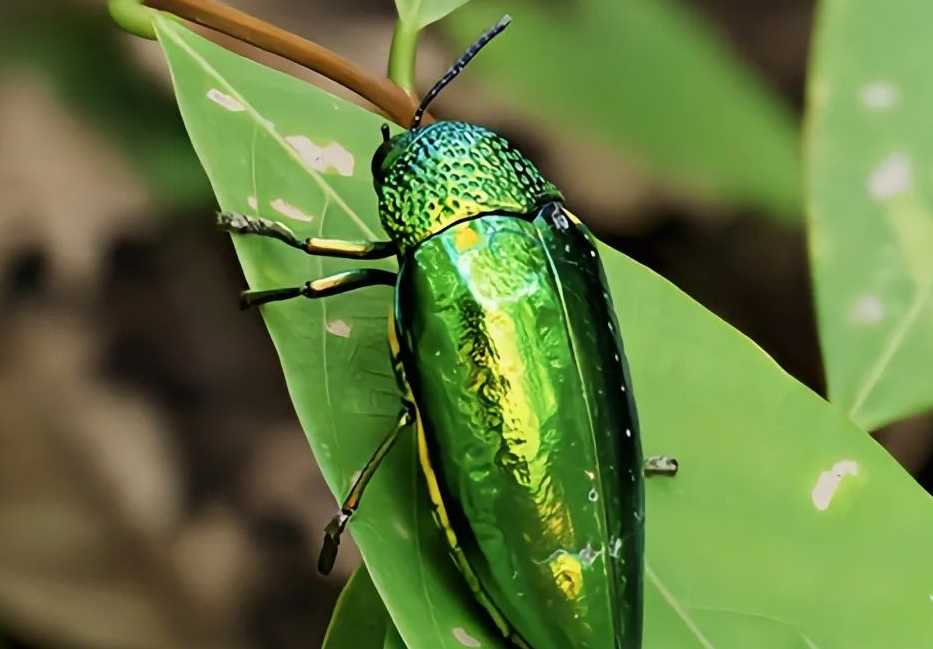
The Jewel Beetles (Buprestidae): Nature's Iridescent Gems
Jewel beetles, members of the family Buprestidae, are renowned for their exoskeletons that shimmer with metallic hues resembling emeralds, sapphires, and gold. This optical marvel arises from structural coloration—microscopic layers on their elytra that refract light, creating vibrant, fade - resistant iridescence. Found across Asia, Africa, and the Americas, these beetles have captivated humans for millennia with their gem - like appearance.

The Hercules Beetle (Dynastes hercules): The Insect World's Colossal Titan
The Hercules beetle, Dynastes hercules, reigns as one of the longest beetles on Earth, captivating observers with its imposing size and extraordinary strength. Native to the rainforests of Central and South America, this scarab beetle earns its name from the mythological hero, boasting a pair of horns that define its iconic appearance and earned it the title "Hercules of the Insect World."
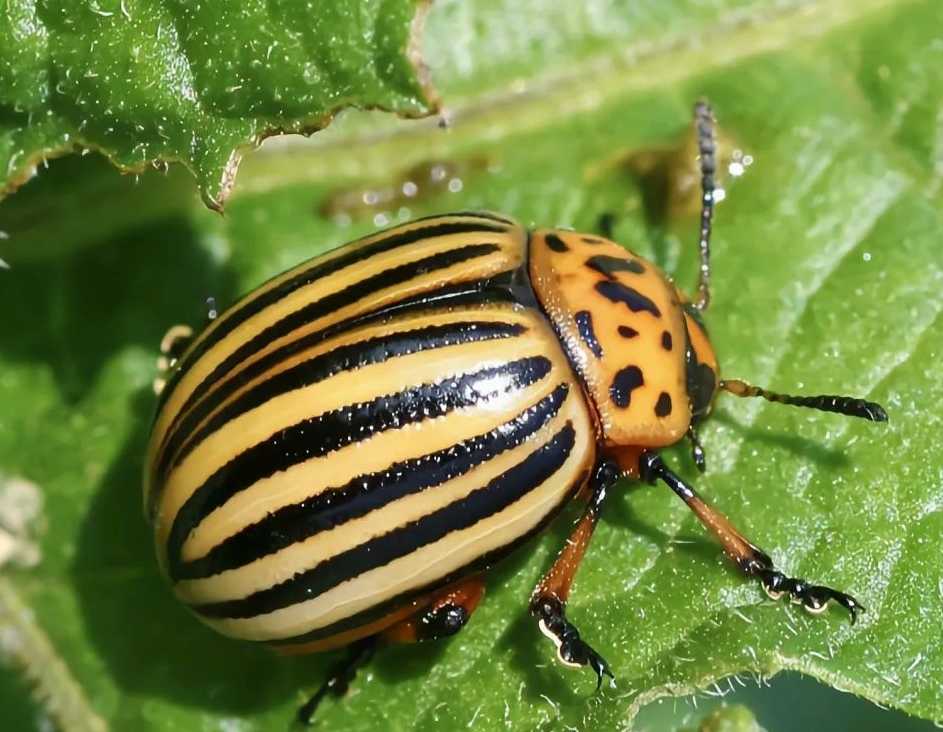
The Colorado Potato Beetle (Leptinotarsa decemlineata): A Persistent Agricultural Menace
The Colorado potato beetle, scientifically known as Leptinotarsa decemlineata, is a notorious insect pest recognized by its distinctive yellow-orange elytra striped with ten black longitudinal lines. Native to North America, this beetle has earned global infamy for its voracious appetite for potato leaves and its remarkable ability to develop resistance to pesticides, making it a top quarantine target worldwide.
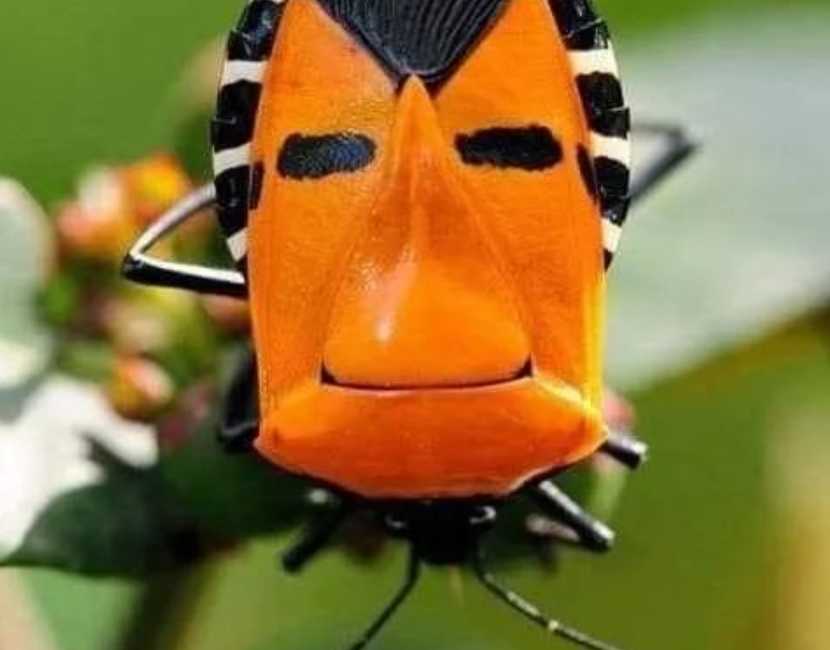
The Face Bug (Auchenorrhyncha: Proconiini): Nature's Cryptic Portraitists of Southeast Asia
The face bug, a member of the Proconiini tribe in the hemipteran suborder Auchenorrhyncha, earns its name from a remarkable evolutionary trick: the dorsal surface of its thorax and abdomen resembles a human face, complete with "eyes," "noses," and even "mouths." Native to the tropical forests of Southeast Asia, these insects showcase nature’s most whimsical form of mimicry, with each individual sporting a unique facial pattern that defies repetition.

Ants' Facial Close - ups: Uncovering the Expressive Faces of Tiny Insects
Ants, those ubiquitous tiny creatures, have always been a common sight in our daily lives. However, recent close - up photography has revealed a surprising fact: ants seem to have expressions. These detailed images capture the nuances of their faces, showing features that give the impression of different emotions.

Mushrooms That Glow at Night: A Mysterious and Beautiful Natural Phenomenon
In the mysterious world of fungi, there exists a group of mushrooms with a unique ability - they can glow in the dark, creating a captivating and otherworldly scene.
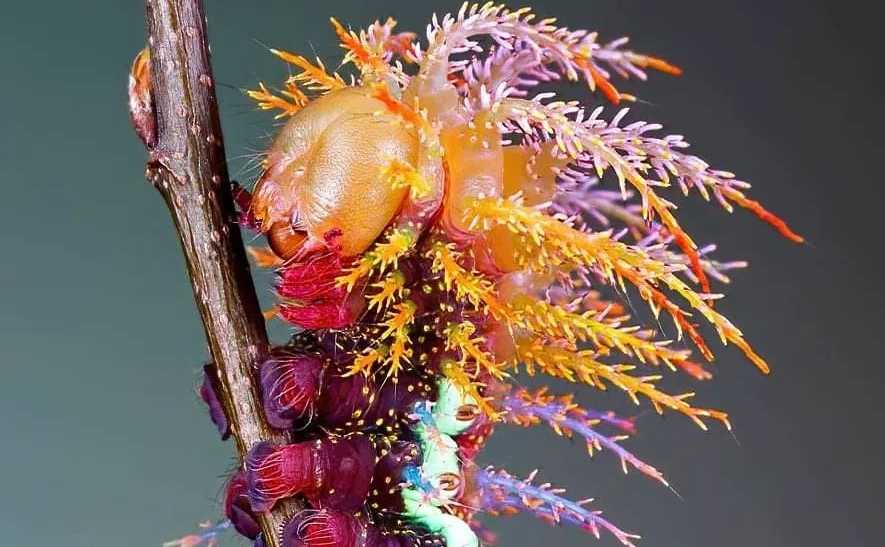
Vibrant Purple Caterpillar Sparks Wonder: What Will Its Butterfly Form Look Like?
A striking purple caterpillar recently spotted in a Costa Rican rainforest has captivated entomologists and nature enthusiasts alike. The creature, with its vivid hue and unique texture, has sparked curiosity about the transformation it will undergo into an adult butterfly.

The "Human-Faced" Tiger Moth: A Mysterious Lepidopteran of Tropical Regions
In the lush ecosystems of tropical and subtropical zones, a fascinating moth has evolved a 诡异 (bizarre) trait: distinct markings on its hindwings that resemble a human face. This tiger moth (subfamily Arctiinae) has captivated entomologists and nature enthusiasts alike for its uncanny mimicry, blending survival strategy with eerie aesthetic.

The Lace Bug: Nature's Living Stained Glass Masterpiece
In the realm of tiny arthropods, lace bugs (family Tingidae) stand out as living works of art, their bodies resembling intricate stained glass windows crafted from iridescent, lace-like exoskeletons. These minuscule insects, typically measuring 2–7 mm, adorn leaves in tropical and temperate regions, their translucent wings and thoraces patterned with geometric grids, spikes, and ornate reticulations that shimmer in the light.
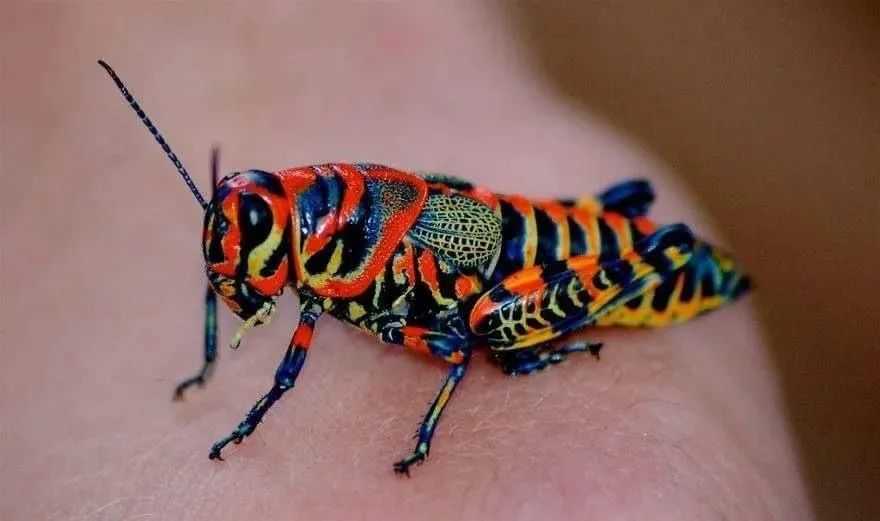
The Rainbow Grasshopper: A Vibrant Jewel of North America's Arid Plains
Native to the arid grasslands and sparse shortgrass habitats of North America, the rainbow grasshopper (Dactylotum bicolor) dazzles with its striking array of hues, defying the muted tones of its dry, sun-baked environment. This medium-sized orthopteran, also known as the painted grasshopper, showcases a vivid palette of red, orange, yellow, blue, and purple on its abdomen, legs, and wings, making it one of the most colorful insects in the region.

When a beetle is infected by the cordyceps fungus, the following process occurs:
Spore attachment and invasion: The spores of the cordyceps fungus adhere to the beetle's body and germinate. The fungal filaments then penetrate the beetle's exoskeleton and enter its body.

The "blue Arabian lizard" might refer to several species. Here are two possible candidates:
Uromastyx thomasi: Also known as the Oman spiny - tailed lizard, it belongs to the Uromastyx genus. It mainly inhabits the arid and semi - arid regions of the Arabian Peninsula, specifically in Oman. This lizard has two basic color schemes, blue and green, along with gray, pink, and other interesting hues. Its back is patterned with red stripes along the spine and large black spots. It has a stocky build, with strong limbs and claws adapted for digging in the rocky desert terrain. Despite its small size, it is a robust species.

Barry: The Adorable Gloucester Canary with a Stylish 'Do
Meet Barry, a charming Gloucester canary whose vibrant plumage and distinctively "stylish hair" have turned him into a feathered fashion icon among bird enthusiasts. This tiny songbird, native to the UK’s Gloucestershire region, belongs to a breed renowned for its elaborate crest and elegant demeanor—a trait that Barry flaunts with undeniable panache.