Bird Information



The Swift: Nature’s Legless Wonder and Aerial Life Master
Tiny in size yet with slender, pointed wings, swifts earned the nickname "legless birds" for a life almost entirely spent in flight—even eating, drinking, and mating mid-air. These aerial acrobats can fly continuously for 10 months without landing, a feat unmatched in the avian world.
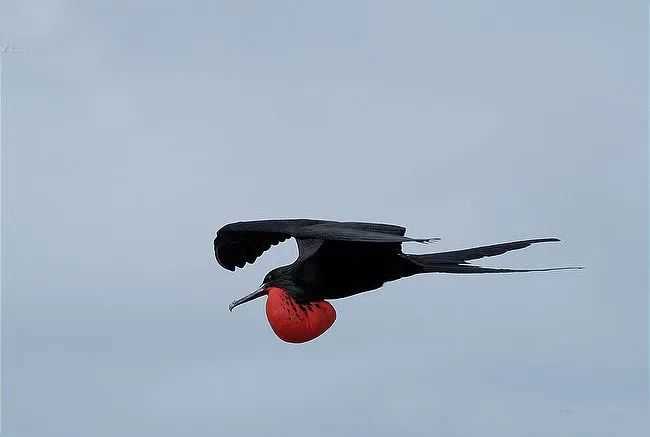
The Frigatebird: Tropical Oceans’ Aerial Pirates and Sleep-in-Flight Specialists
Living primarily in tropical oceans, frigatebirds boast wingspans exceeding 2 meters, with males sporting a distinctive red throat pouch that inflates like a scarlet balloon during courtship. These avian marvels are renowned for their ability to fly continuously for two months without touching water—even sleeping mid-air.

The Albino Magpie: A Rare Feathered Anomaly in the Avian World
Albino magpies, though occasionally spotted in urban and rural areas worldwide, are genetic oddities that stand out starkly from their black-and-white counterparts. Caused by a recessive gene mutation that inhibits melanin production, these birds exhibit pure white plumage, pinkish legs, and striking red or pale blue eyes—a result of blood vessels reflecting through unpigmented tissues. Unlike leucistic magpies (which have partial color loss), albinos lack all pigmentation, making them a rare sight in the wild.

Aquatic Birds: Masters of the Open Water
Aquatic birds, or waterfowl, have evolved to thrive in expansive water bodies such as reservoirs, rivers, and lakes. These avian species have adapted unique physical features and feeding strategies, enabling them to exploit the rich resources of their aquatic habitats.

Wading Birds: Elegant Residents of Shallow Water Habitats
Wading birds, a diverse group of avian species, have evolved to thrive in the unique ecosystems of shallow water environments, including mudflats, marshes, ponds, and irrigation canals. These habitats serve as rich feeding grounds, supporting a diet centered on crabs, shellfish, worms, and other benthic organisms that dwell in the nutrient-rich sediments.

Climbing Birds: Masters of Arboreal Life
Climbing birds, a fascinating group of avian species, have evolved to dominate forest ecosystems, spending most of their lives navigating tree canopies and rarely descending to the ground. These specialized creatures have adapted to a diet centered on insects and larvae hidden within tree bark, making them crucial contributors to forest health by controlling pest populations.

Birds of Prey: Nature's Aerial Predators
Birds of prey, or raptors, are a diverse group of carnivorous birds characterized by their formidable hunting skills and specialized adaptations for predation. These apex avian predators occupy various habitats worldwide, from dense forests and open grasslands to mountain ranges and coastal regions, relying on a diet of small mammals, reptiles, fish, and other birds.

The Stunning Blue-Headed Pitta: A Jewel of the Forest
The Blue-headed Pitta (Pitta baudii), a bird of unparalleled beauty, captivates observers with its vibrant plumage and elusive nature. Found in the lush forests of Southeast Asia, this species is a testament to the dazzling diversity of avian life, drawing admiration from birdwatchers and conservationists alike.

The Vivid Red-rumped Parrot: A Gem of Australian Skies
The Red-rumped Parrot (Psephotus haematonotus) enchants with its vibrant plumage and lively presence across the Australian landscape. This medium-sized parrot, celebrated for its striking colors and charming demeanor, stands out as a beloved native species, captivating both bird enthusiasts and casual observers.

The Enchanting White-naped Honeyeater: A Jewel of Australasian Forests
The White-naped Honeyeater (Melithreptus lunatus), a vibrant and agile bird native to Australasia, charms observers with its striking plumage and vital role in forest ecosystems. Found in the lush woodlands and eucalyptus forests of Australia and New Guinea, this species is a testament to the rich diversity of honeyeater birds, renowned for their specialized nectar-feeding habits.

The Eurasian Blackbird: A Melodious Icon of European Landscapes
The Eurasian Blackbird (Turdus merula), a common yet captivating songbird, graces gardens, woodlands, and urban parks across Europe, Asia, and parts of North Africa. Renowned for its rich, melodious song and distinctive appearance, this species has long captured the imagination of birdwatchers and nature enthusiasts.

The Elusive Banded Rail: A Hidden Gem of Wetland Ecosystems
The Banded Rail (Gallirallus philippensis), a cryptic and fascinating bird, inhabits the lush wetlands, marshes, and rice paddies of Southeast Asia, Australia, and the Pacific Islands. Though rarely seen due to its secretive nature, this species plays a vital role in wetland ecology, captivating researchers and birdwatchers with its unique adaptations and elusive behavior.
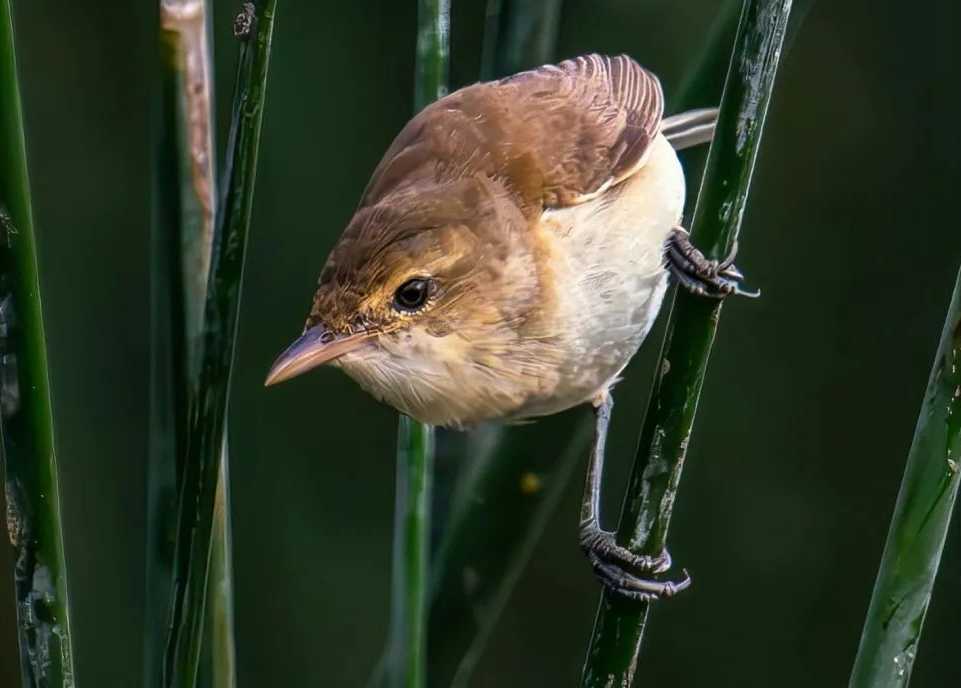
The Australian Reed Warbler: A Melodious Architect of Wetland Habitats
The Australian Reed Warbler (Acrocephalus australis), a small yet dynamic songbird, thrives in the dense reed beds and marshy environments across Australia and Tasmania. Renowned for its intricate songs and remarkable nesting skills, this species is a vital component of wetland ecosystems, blending into its lush green surroundings while contributing to the biodiversity of these fragile habitats.

The Striking Red-crested Pochard: A Waterbird Wonder
The Red-crested Pochard (Netta rufina) is a large diving duck that immediately catches the eye with its vivid appearance. This species stands out in wetland habitats across Eurasia, captivating birdwatchers and nature enthusiasts alike.
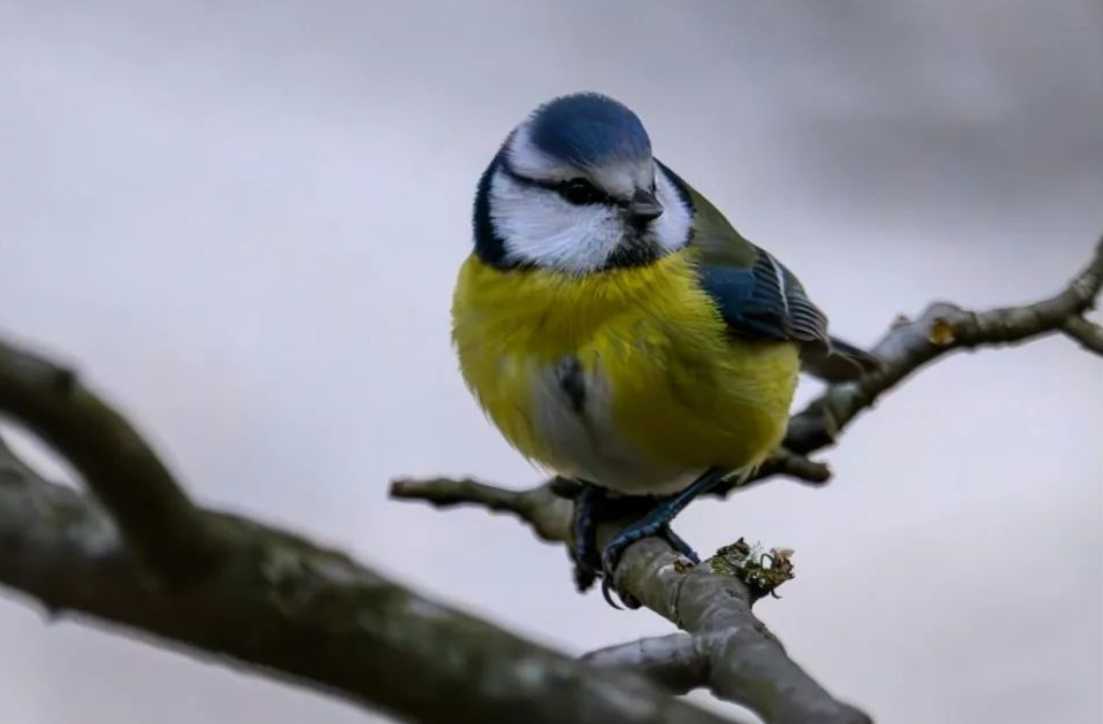
The Charming Blue Tit: A Tiny Jewel of European Woodlands
The Blue Tit (Cyanistes caeruleus) is a delightful small bird that has captured the hearts of birdwatchers and nature enthusiasts across Europe. With its vibrant plumage and lively behavior, it adds a splash of color and energy to the woodlands, gardens, and parks it inhabits.
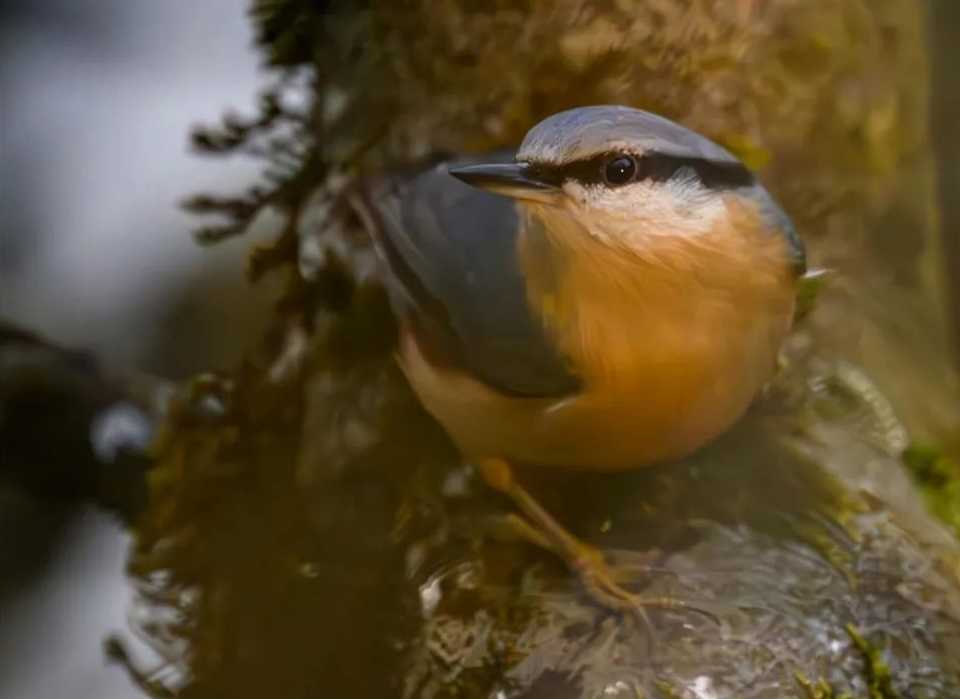
The Agile and Adaptable Eurasian Nuthatch
The Eurasian Nuthatch (Sitta europaea) is a small yet captivating bird that has captured the attention of bird enthusiasts across its vast range. Found in the woodlands of Europe and Asia, this species stands out for its unique behaviors and charming appearance.

The Dynamic Great Tit: A Common Yet Captivating Songbird
The Great Tit (Parus major), a vibrant and adaptable songbird, is a familiar presence across Europe, Asia, and parts of North Africa. Renowned for its striking plumage and intelligent behavior, this species has become a favorite among birdwatchers, thriving in diverse habitats from dense woodlands to urban gardens.

The Majestic Canada Goose: A Familiar Sight with a Complex Story
The Canada Goose (Branta canadensis), a large and distinctive waterbird, is a well - known presence across North America and has spread to various parts of the world. With its characteristic black head and neck, offset by a bright white “chinstrap” that extends from cheek to throat, it's easily recognizable. This species can range from 76 to 110 centimeters in length, with a wingspan stretching from 1.3 to 1.7 meters, and males are generally larger than females. Its body is covered in brownish - gray plumage, and the underparts often display a lighter shade, sometimes creamy or white.

The Enigmatic Northern Mockingbird: A Master of Imitation
The Northern Mockingbird (Mimus polyglottos) is a captivating bird that has long intrigued birdwatchers and nature enthusiasts across the Americas. Renowned for its extraordinary ability to mimic a vast array of sounds, this species adds a unique charm to the ecosystems it inhabits.